


Quick Summary
Jaw pain, clicking, limited opening, headaches, and worn teeth can signal a temporomandibular joint problem, though other conditions may cause similar signs. A thorough evaluation reviews your history, jaw movement, muscles, bite, and imaging when needed. Many patients start with conservative care such as softer foods, stress reduction, and a custom night guard, while bite concerns may call for further discussion. Grand Family Dentistry evaluates your jaw, explains each finding clearly, and monitors progress at follow-up visits. Outcomes vary, so personalized care matters. Contact our team today to schedule a consultation.
You wake up and your jaw already feels tired. Chewing a bagel is uncomfortable, and a dull ache near your ear drifts toward your temple. Many of the TMJ symptoms Mandeville LA patients describe to us begin quietly like this, and they are easy to dismiss as stress or a restless night.
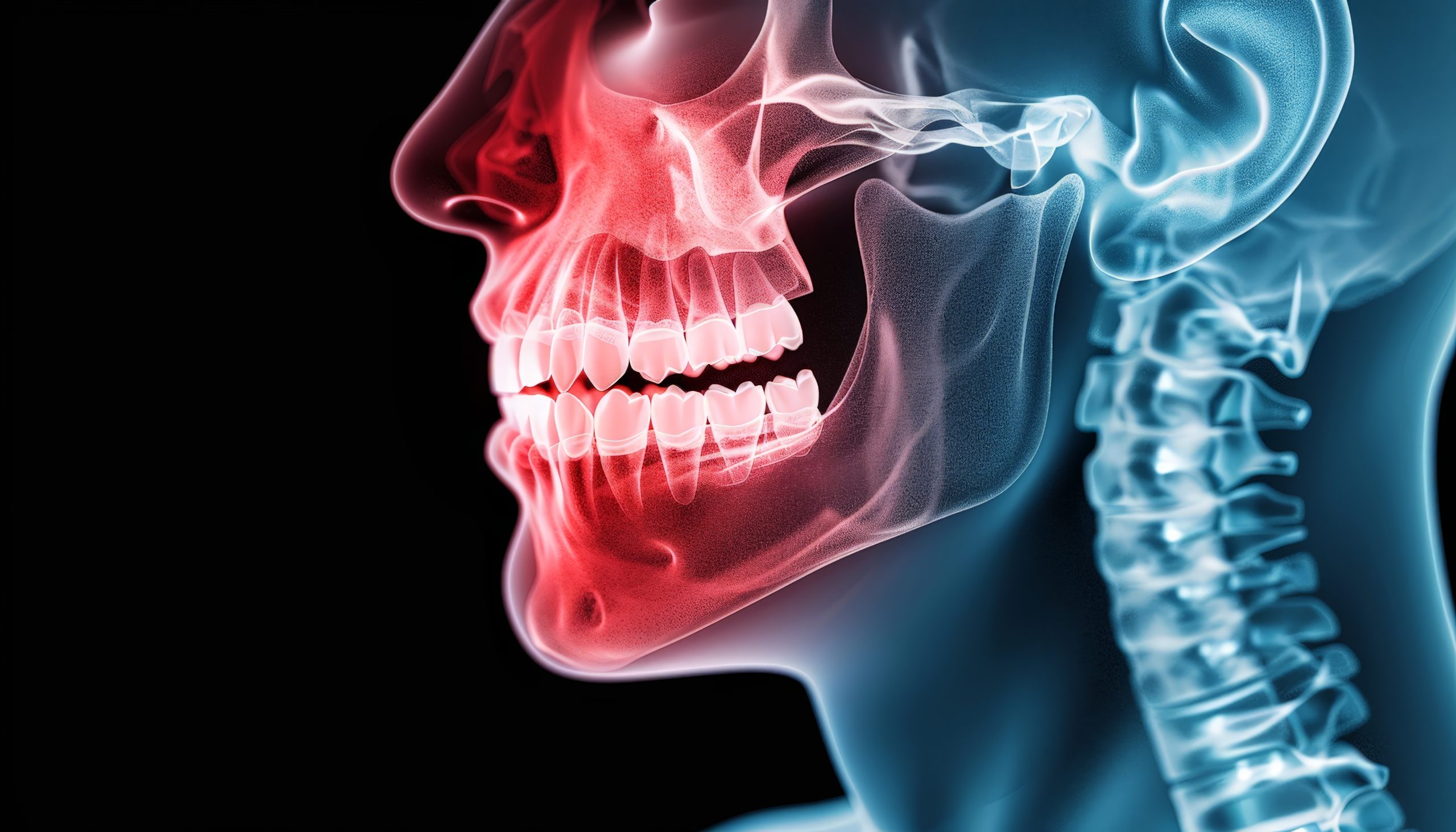
Persistent jaw discomfort deserves a closer look, though. The temporomandibular joint connects your lower jaw to your skull, and when the joint or its surrounding muscles are strained, talking and eating can become difficult.
At Grand Family Dentistry, we help patients understand what is happening, so here is what to watch for, how we evaluate the problem, and which treatment paths may help.
Common Signs of a Jaw Joint Problem
Symptoms vary from person to person, but patients most often report the following:
- Jaw pain or tenderness, especially in the morning
- Clicking, popping, or grating sounds when opening and closing
- Limited opening or a jaw that catches or locks
- Frequent headaches, earaches, or facial soreness
- Worn, flattened, or chipped teeth from clenching or grinding
These signs can also come from other sources. A tooth problem can imitate jaw pain, which is why our toothache treatment team checks the teeth too. If your jaw suddenly locks open or closed, contact us right away, since our emergency dentistry services are available for urgent needs.
What Contributes to TMJ Disorders
There is rarely a single cause. Clenching and grinding, known as bruxism, jaw injuries, arthritis, bite imbalance, and stress-related muscle tension can all play a part, and several often combine. Because many people clench during sleep without realizing it, a partner or the wear on your teeth may be the first clue.
How Our Dentists Evaluate Your Jaw
We start by listening. We ask when the pain occurs, what makes it better or worse, and how long you have noticed it. Then we examine the muscles around your jaw, listen for joint sounds, measure how far you can open, watch how your jaw moves, and look for wear patterns on your teeth. X-rays or other imaging may be recommended to study the joint more closely.
Our goal is to identify contributing factors and create a plan, not to attach a label. If findings point beyond our scope, such as an arthritis concern, we refer you to the appropriate specialist.
Treatment Options Worth Discussing
Most patients begin with conservative care. TMJ treatment Mandeville dentists provide often starts with simple changes at home, such as stress reduction and gentle jaw movements your provider approves, along with the self-care habits described below.
A custom oral appliance is a common next step. Night guards for TMJ cushion the teeth, limit the damage from clenching, and may ease muscle strain. Unlike store-bought versions, ours are made from impressions of your teeth for a precise, comfortable fit.
If a bite imbalance contributes, we may discuss adjustments or restorative work. Some patients also benefit from physical therapy or medication prescribed by their physician. Results vary, and we reassess your progress at follow-up visits.
Self-Care Habits that May Help
Small changes at home can reduce strain on the jaw while you work with us on a longer-term plan. Choose softer foods for a while, cut meals into smaller pieces, and skip gum and chewy candy. Try to keep your teeth slightly apart and your lips closed when you are not eating, since teeth should touch only briefly during the day.
Avoid resting your chin on your hand, and notice whether you clench while concentrating or driving. A warm compress held against the side of the face can relax tight muscles. These habits are supportive measures, not substitutes for an evaluation.
Why Treatment Looks Different for Everyone
Two patients with the same jaw pain may need very different care. One may clench at night, while another has a bite imbalance or an old injury. For that reason, we avoid one-size-fits-all plans. We choose the simplest approach that fits your findings, begin with conservative steps, and change course if your symptoms do not respond.
How Stress and Sleep Connect to Jaw Strain
Stress often shows up in the jaw. Many people tighten these muscles without noticing, and clenching during sleep can add hours of strain every night. Disrupted sleep may also play a role, which is one reason our dentists ask about snoring and restless nights during your visit. If we see signs of a possible sleep-related breathing problem, we encourage you to speak with your physician and can discuss how dental care may fit in.
Why Early Attention Helps
Ongoing clenching can wear down enamel, crack teeth, and loosen existing restorations, so the sooner we identify the habit, the more we can do to protect your smile. Chronic jaw tension may also contribute to recurring headaches. Early care is usually simpler and less costly than treating damage after it has occurred.
What Follow-Up Looks Like
TMJ care rarely ends with one appointment. We typically see patients again after a few weeks to check how the jaw feels, review how your night guard fits, and fine-tune the plan. We ask you to track your symptoms between visits, because a pattern of morning pain or flare-ups after certain foods helps us make better decisions.
When to Schedule an Appointment
Do not wait if pain lasts more than a few days, if clicking comes with discomfort, or if you regularly wake with headaches. If you recognize TMJ symptoms Mandeville LA patients often report, such as morning stiffness or a jaw that catches, let us know so we can take a closer look.
Your Jaw Deserves Relief
Do not let discomfort become routine. Grand Family Dentistry will evaluate your jaw, explain what we find in plain language, and build a plan around your comfort. Reach us at (985) 231-5796 with any questions.
Call or visit our Abita Springs office to book an appointment, and let us help you get back to eating and speaking with ease.
FAQs
What causes TMJ pain?
Clenching, grinding, jaw injury, arthritis, stress, and bite imbalance can all contribute. Often more than one factor is involved, which is why a thorough evaluation helps.
Will a night guard fix my jaw pain?
A night guard can reduce the strain and tooth wear caused by clenching, and many patients find relief. It is not a guaranteed cure, so we monitor your progress and adjust the plan.
Should I see a dentist or a doctor for jaw pain?
Start with a dentist, who can check your teeth, bite, and jaw joints. We will refer you to a physician or specialist if your symptoms suggest another cause.