


Quick Summary
Understanding what a family dentist does helps patients feel more prepared when choosing long-term dental care for every stage of life. Family dentists treat both children and adults while focusing on preventive care, restorative treatments, and ongoing oral health monitoring. Regular dental visits help patients maintain healthier teeth, gums, and overall oral hygiene through every age group. Learning how family dental care works makes it easier to build consistent and comfortable dental routines for the entire household.
A family dentist plays an important role in helping patients maintain healthy teeth and gums throughout different stages of life. Unlike dental offices that focus only on children or specific procedures, family dentistry includes preventive, restorative, and general dental care for both kids and adults. This approach allows families to receive ongoing oral health treatment in one familiar setting.
Many patients ask what is a family dentist because they want a better understanding of the services included within family dental care. Family dentists focus on monitoring oral health over time while helping patients develop healthy dental habits that continue into adulthood. From routine dental cleanings and examinations to fillings and restorative treatment, family dentistry covers a wide range of common dental needs.
At Grand Family Dentistry, we work closely with patients of all ages while focusing on comfortable and consistent dental care. Building long term relationships with families often helps patients feel more relaxed during appointments and encourages better preventive care habits over time.
Preventive Dental Care for All Ages
One of the most important responsibilities of a family dentist involves preventive dental care. Routine cleanings and examinations help remove plaque buildup while allowing dentists to identify concerns such as cavities, gum irritation, or enamel wear before they become more serious.
Preventive visits also help patients maintain healthier daily oral hygiene habits. Family dentists often discuss brushing techniques, flossing routines, and dietary habits that influence long term oral health. These conversations are especially important for children who are still learning proper dental care routines at home.
Regular preventive care also allows dentists to monitor changes in oral health as patients age. Since children, teenagers, adults, and older adults experience different dental concerns throughout life, ongoing examinations help identify issues early and create more personalized treatment recommendations.
Dental Care for Children
Family dentists often begin seeing children at an early age to monitor tooth development and encourage positive dental experiences. Early visits help children become familiar with the dental environment while reducing fear or anxiety associated with future appointments.
During childhood, dentists monitor tooth eruption, bite development, and oral hygiene habits closely. Preventive treatments such as fluoride applications and sealants are commonly recommended to help reduce cavity risk while protecting developing teeth.
Family dentists also work closely with parents by discussing brushing habits, thumb sucking concerns, nutrition, and other factors that affect children’s oral health. Establishing healthy routines early often creates stronger long term dental habits as children grow older.
Dental Care for Teenagers and Adults
As patients move into adolescence and adulthood, dental needs continue changing. Teenagers often require monitoring for wisdom teeth development, orthodontic concerns, and sports related dental protection. Family dentists also continue emphasizing preventive care as eating habits and lifestyles evolve during these years.
Adults benefit from family dental care through regular examinations, cleanings, fillings, crowns, and gum health evaluations. Ongoing dental visits help identify concerns such as enamel wear, grinding, gum recession, or tooth decay before more extensive treatment becomes necessary.
Restorative Treatments In Family Dentistry
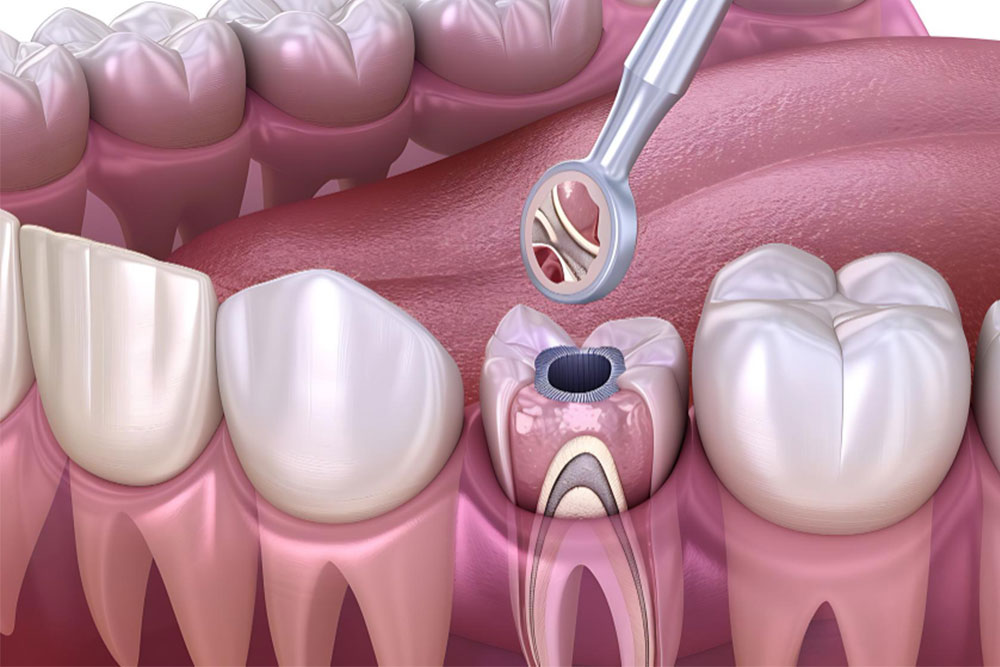
Family dentists also perform restorative treatments that help repair damaged or missing teeth. Fillings are one of the most common restorative procedures and are used to treat cavities while restoring normal tooth function. Modern filling materials are designed to blend more naturally with surrounding teeth while maintaining durability.
Crowns, bridges, and dentures are additional restorative options often included within family dental care. These treatments help restore chewing ability, smile appearance, and overall comfort for patients experiencing tooth damage or tooth loss.
Restorative care is important because untreated dental issues can worsen over time and affect both oral health and daily function. Addressing concerns early often helps preserve more healthy tooth structure while reducing the need for more extensive procedures later.
Monitoring Long Term Oral Health
One major benefit of seeing a family dentist involves long term continuity of care. Family dentists track oral health changes over many years, allowing them to identify patterns and monitor developing concerns more effectively.
For example, a dentist who has treated a patient since childhood may already understand their cavity history, bite alignment, gum health, and previous dental work. This familiarity often helps create more personalized treatment recommendations based on the patient’s long term oral health patterns.
Long term monitoring is especially important for identifying gradual concerns such as gum disease, enamel wear, and bite changes. Routine dental visits allow family dentists to compare previous examinations and recommend treatment before problems become more severe.
What Is a Family Dentist Compared to Other Dentists?
Patients asking what a family dentist is, often wonder how family dentistry differs from other types of dental care. While specialists focus on specific treatments or age groups, family dentists treat a broad range of dental concerns for both children and adults.
For example, pediatric dentists focus primarily on children, while orthodontists focus on tooth alignment and bite correction. Family dentists, however, manage routine preventive and restorative care across multiple age groups while coordinating treatment when specialty care becomes necessary.
This broad approach allows families to receive consistent dental care within one practice rather than visiting multiple offices for routine treatment. Many patients appreciate the convenience and familiarity that come with long term family dentistry relationships.
A Trusted Partner for Your Family’s Oral Health
Grand Family Dentistry works closely with patients of all ages while focusing on preventive care, restorative treatment, and long term oral health monitoring in a comfortable environment. We take time to explain treatment recommendations clearly so patients feel informed and confident during every stage of care.
Contact us today to learn more about family dental care and discuss your oral health needs with our team.
FAQs About Family Dentists
What is a family dentist?
A family dentist treats patients of all ages while focusing on preventive, restorative, and general dental care throughout different stages of life.
At what age should children start seeing a family dentist?
Children often begin dental visits when their first teeth appear or around their first birthday to monitor early oral development.
Can adults and children visit the same family dentist?
Yes, family dentists treat both children and adults, allowing families to receive dental care within one familiar practice.