


Quick Summary
Understanding which dentures are most affordable helps patients compare tooth replacement options based on comfort, durability, and overall value. Different denture styles vary in pricing depending on materials, customization, and the number of missing teeth being replaced. Some patients focus on lower upfront costs while others prioritize stability and long-term function when exploring dental procedures. Learning how each denture option works makes it easier to choose a treatment plan that fits both oral health needs and budget goals.
Which dentures are most affordable? This is a question many patients ask when exploring tooth replacement options. Dentures remain one of the most common ways to restore missing teeth because they improve appearance, chewing ability, and speech while helping patients feel more comfortable in everyday situations. Since several denture styles are available today, treatment costs often vary depending on materials, design, and the amount of customization involved.
At Grand Family Dentistry, we spend time discussing denture options carefully so patients understand how different dental restorations affect comfort, stability, and daily function. Open conversations about expectations and oral health goals often help patients feel more confident before beginning treatment.
Traditional Full Dentures
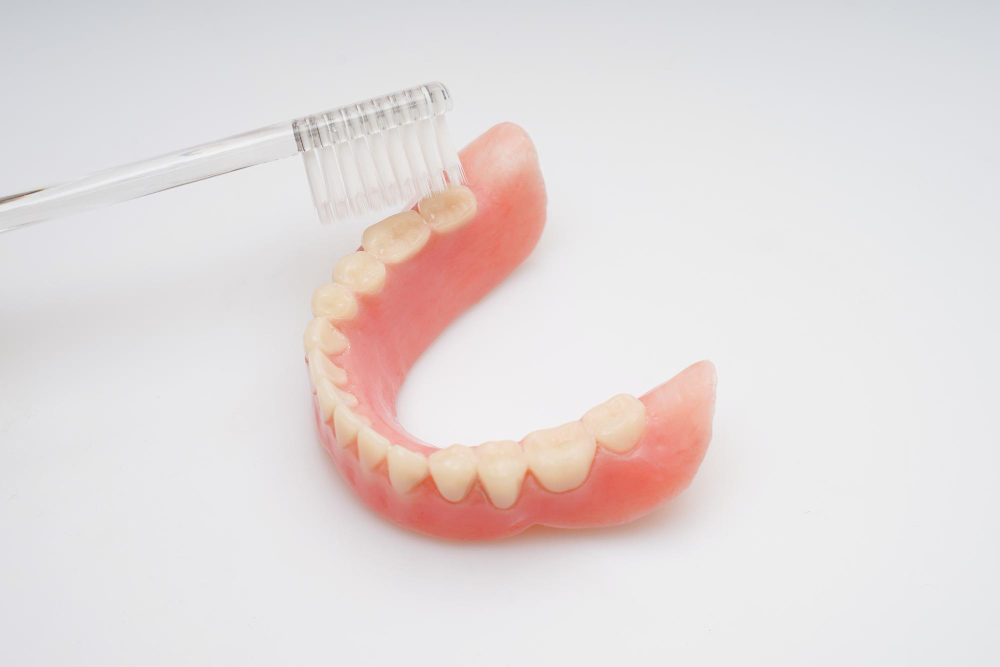
Traditional full dentures are often considered one of the most affordable options for patients missing all teeth in the upper or lower arch. These removable restorations are custom designed to sit comfortably along the gums while replacing an entire row of missing teeth. Many patients choose full dentures because they restore daily function and smile appearance at a lower cost than more advanced restorative solutions.
Affordable dentures pricing for traditional full dentures depends largely on the materials used and the amount of customization involved during fabrication. Basic dentures generally cost less, while premium materials and more detailed shaping increase the overall price. More customized dentures often create a more natural appearance and a better fit, which improves comfort during speaking and eating.
Patients considering traditional dentures should also think about future maintenance. Over time, the gums and jawbone naturally change shape after tooth loss, which can affect how dentures fit. Relining or adjustments may eventually become necessary to maintain comfort and stability.
Partial Dentures
Partial dentures are designed for patients who still have healthy natural teeth remaining throughout the mouth. Instead of replacing an entire arch, these dentures fill the spaces left by missing teeth while attaching around existing teeth for added support. Many patients choose partial dentures because they restore function without requiring extraction of healthy teeth.
The cost of partial dentures depends on the framework material and the complexity of the design. Acrylic partial dentures are usually more affordable initially, while metal framework partial dentures tend to last longer and create greater durability. Patients often compare these options based on both immediate cost and long term wear resistance.
Partial dentures also help maintain bite alignment by reducing the risk of surrounding teeth shifting into open spaces. Replacing missing teeth early often helps prevent additional oral health concerns from developing later. Patients who maintain good oral hygiene and regular dental visits generally experience better long term results with partial dentures.
Immediate Dentures
Immediate dentures are placed shortly after tooth extraction so patients do not remain without teeth during the healing process. Many patients appreciate this option because it allows them to maintain their appearance and basic oral function immediately following extractions. The ability to leave the appointment with replacement teeth often creates a smoother emotional adjustment during treatment.
As the gums heal after extractions, the shape of the mouth gradually changes, which means immediate dentures often require future adjustments or replacement. While this can increase total treatment costs over time, many patients still prefer immediate dentures because they avoid spending several months without teeth during recovery.
The overall pricing for immediate dentures depends on the number of teeth being replaced, extraction complexity, and future adjustment needs. Patients considering this option often benefit from discussing both short term convenience and long term maintenance expectations before treatment begins.
Flexible Dentures
Flexible dentures have become increasingly popular because of their softer material and more comfortable fit. Unlike traditional rigid acrylic dentures, flexible dentures are designed to bend slightly with natural mouth movement, which often reduces irritation along the gums. Many patients appreciate the lighter feel and more natural appearance associated with this style of restoration.
The pricing for flexible dentures usually falls between traditional dentures and implant supported restorations. Although they cost more than some basic denture options, many patients feel the added comfort and improved aesthetics justify the difference in pricing. Flexible materials also eliminate visible metal clasps in some cases, which creates a more natural appearance while smiling.
Not every patient is an ideal candidate for flexible dentures, especially when greater structural support is necessary. A dental evaluation helps determine whether flexible materials will create enough stability for the patient’s bite and long term oral health needs.
Implant Supported Dentures
Implant supported dentures are generally the most expensive denture option because they involve both dental implants and a custom denture restoration. Instead of resting directly on the gums, these dentures attach securely to implants placed within the jawbone, creating greater stability during eating and speaking.
Many patients choose implant supported dentures because they create a more secure and natural feeling fit. Traditional removable dentures sometimes shift during conversations or meals, while implant supported options remain more firmly in place throughout daily activities. This added stability often improves chewing strength and overall comfort significantly.
Although the upfront cost is higher, implant supported dentures are often viewed as a long term investment in oral function and stability. Patients considering this option should also factor in surgical procedures, healing periods, and future maintenance when comparing total treatment costs with other denture styles.
What Affects Denture Pricing
Materials, customization, impressions, extractions, and additional dental procedures all contribute to the final treatment cost. Dentures designed with more advanced materials generally create a more realistic appearance while improving durability and comfort.
The condition of the gums and remaining teeth also affects treatment planning. Some patients require tooth extractions, gum treatment, or bone preparation before dentures can be created properly. These additional procedures increase treatment costs but often improve the long term fit and function of the restoration.
Understanding Your Denture Options
Grand Family Dentistry works closely with patients to discuss denture solutions that match their oral health needs, comfort preferences, and long term goals.
Contact us today to learn more about affordable dentures pricing and explore tooth replacement options designed around your dental needs and lifestyle.
FAQs About Denture Pricing
Which dentures are most affordable for full tooth replacement?
Traditional full dentures are often the most affordable option for replacing an entire upper or lower arch of missing teeth.
Are flexible dentures more comfortable than traditional dentures?
Many patients find flexible dentures more comfortable because the softer material adapts more naturally to mouth movement and gum contours.
Do implant supported dentures last longer than regular dentures?
Implant supported dentures are generally more stable and durable than traditional removable dentures when maintained with proper dental care.