


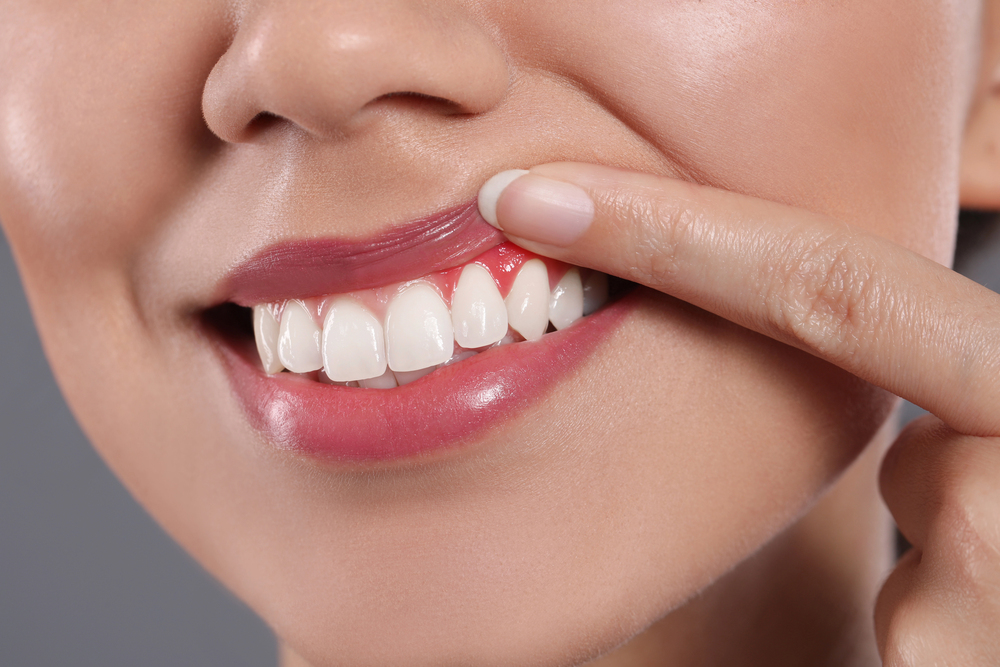
The shape of your gums plays a quiet but powerful role in how your smile looks and feels. When gum tissue sits too high, too low, or unevenly, teeth can appear shorter, crowded, or harder to clean. Gum contouring healing often becomes the main concern once treatment is scheduled, because patients want clarity about discomfort, appearance, and daily routines afterward.
Understanding gum contouring recovery before the procedure removes uncertainty and helps set realistic expectations. This guide explains the gum contouring healing process in clear terms, so each stage feels familiar rather than intimidating.
Gum contouring, also known as gum reshaping, involves carefully adjusting excess or uneven gum tissue to create a more balanced gum line. At Grand Family Dentistry, this treatment focuses on precision and comfort from the first visit through the final stage of healing.
Understanding the Gum Contouring Healing Process
Gum contouring healing follows a predictable pattern, though every mouth responds at its own pace. The procedure involves reshaping soft tissue, so the body reacts much like it would after any minor oral surgery. Mild inflammation, tenderness, and temporary sensitivity are common early responses. These reactions signal that the gums are beginning to repair themselves.
The healing process also depends on how the contouring was performed. Laser techniques typically involve less bleeding and faster tissue response, while traditional methods using a scalpel may involve slightly more initial soreness. In both cases, the goal remains the same: allow the gums to settle into their new shape without irritation or disruption.
What the First Day of Recovery Usually Feels Like
The first twenty-four hours after gum contouring recovery often bring mild swelling and a tight sensation around the treated area. This feeling can make the gums seem fuller than expected, which sometimes worries patients. That appearance fades as the tissue relaxes. Minor oozing may occur, especially after eating or brushing, though it usually resolves quickly.
Numbness from local anesthesia often lingers for a few hours. During this time, caution helps avoid accidental biting or irritation. Most patients describe the first day as manageable rather than painful, particularly when instructions from the dental team are followed closely.
Early Healing During the First Few Days
Between the second and third day, gum contouring healing becomes more noticeable. Swelling begins to decrease, and the gum tissue starts to look more defined. Some soreness remains, especially when chewing or speaking for long periods, but it usually stays mild.
Temperature sensitivity can occur, particularly with cold foods or drinks. Lukewarm meals feel more comfortable during this phase. The gums may also appear slightly lighter or whitish in spots, which reflects normal tissue response rather than a problem.
Progress Through the First Week
By the end of the first week, gum contouring recovery often reaches a turning point. Most swelling has subsided, and tenderness continues to fade. The gum line starts to look smoother and more intentional, though final results are not fully visible yet.
Daily oral hygiene resumes gently during this phase. Soft brushing around the treated area keeps plaque from interfering with healing. Flossing may feel awkward at first, but careful technique helps maintain cleanliness without irritation. At this stage, many patients feel comfortable returning fully to work and social routines.
Diet Choices That Affect Healing Comfort
Food choices play a quiet but meaningful role in the gum contouring healing process. Soft textures reduce friction against sensitive tissue and help prevent soreness. Items like yogurt, eggs, mashed vegetables, and soups often feel easiest during early recovery.
Hard, spicy, acidic, or crunchy foods can irritate healing gums and extend discomfort. Sticky snacks may cling to the gum line and feel unpleasant. Drinking without straws also matters, as suction can disturb delicate tissue during the first few days. These adjustments tend to feel temporary, and most patients return to normal eating habits within one to two weeks.
Oral Hygiene During Gum Contouring Recovery
Keeping the mouth clean after gum contouring feels different but remains necessary. Gentle brushing twice daily helps control bacteria while respecting healing tissue. A soft-bristled toothbrush works best, especially near the treated area.
Flossing continues carefully, guided by specific instructions from the dental team. Some patients prefer water flossers on a low setting during early recovery, though this should only happen after professional approval. Cleanliness during healing helps the gums settle smoothly around the teeth and lowers the chance of irritation.
Managing Discomfort Without Overcomplicating Care
Discomfort during gum contouring healing tends to stay mild and short-lived. Over-the-counter pain relief often handles soreness effectively when used as directed. Cold compresses placed externally near the cheek can ease swelling during the first day or two.
Rest also plays a role. Strenuous activity can increase blood flow and prolong tenderness, so light routines feel better early on. These simple habits keep recovery steady without adding unnecessary steps.
Signs That Healing Is Moving in the Right Direction
As gum contouring recovery progresses, positive signs become easier to notice. Swelling decreases each day, tenderness fades, and the gum line looks more even. Pink, healthy tissue replaces the initial redness or pale patches.
It is normal for healing to feel uneven at times, especially if multiple areas were treated. One side may settle faster than another. Gradual improvement matters more than symmetry during early stages.
Long-Term Results After Healing Completes
Once gum contouring healing finishes, the gums feel natural again. The tissue settles firmly around the teeth, and sensitivity typically resolves. Final results usually appear within one to two weeks, though subtle refinement continues as the gums mature.
Patients often notice that their teeth look longer, more balanced, or easier to clean. Improved access during brushing and flossing can also help maintain gum health moving forward.
How Gum Contouring Fits Into Cosmetic Dentistry
Gum contouring often complements other smile-focused treatments by framing the teeth more evenly. Balanced gums can enhance results from whitening, veneers, or restorations without additional procedures. For patients exploring broader smile improvements, cosmetic dentistry options may align naturally after healing is complete.
The timing of additional treatments depends on how the gums respond and the goals discussed during consultation. A thoughtful sequence helps each step feel cohesive rather than rushed.
A Thoughtful Approach to Healing at Grand Family Dentistry
At Grand Family Dentistry, gum contouring never ends with the procedure itself. We guide patients through each phase of gum contouring healing with clear explanations and attentive follow-up. Our approach focuses on comfort, clarity, and long-term gum health, so recovery feels steady and predictable.
If you have questions about your gums or smile goals, contact us to start a conversation that fits your needs.