


Quick Summary
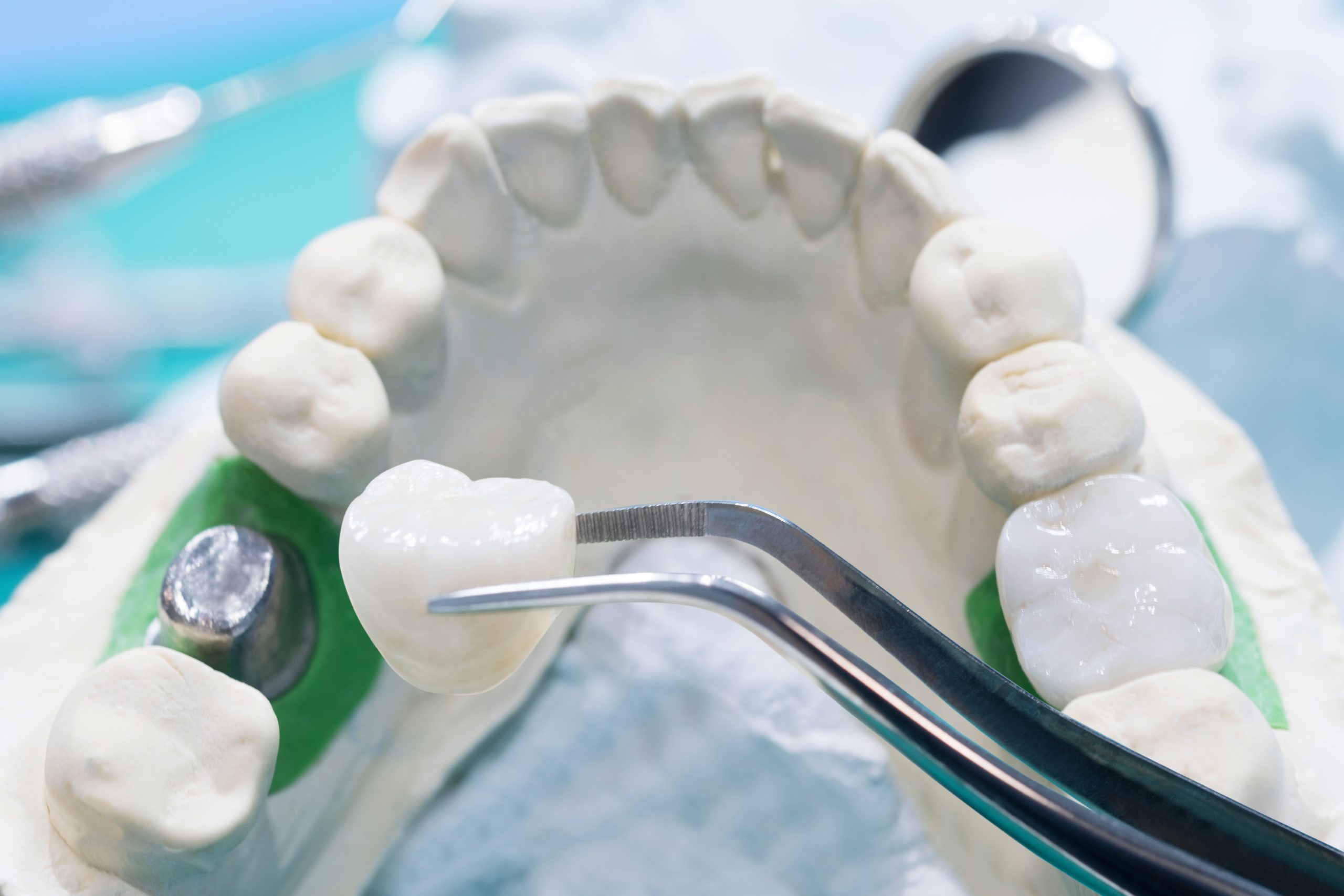
A crown restores a weakened, cracked, or heavily filled tooth by covering it with a custom-made cap. Treatment begins with an exam and X-rays, followed by numbing, tooth preparation, and an impression or scan. A temporary crown may protect the tooth until the permanent one is fitted and bonded. Mild sensitivity is common afterward, and consistent brushing, flossing, and checkups support long-term wear. At Grand Family Dentistry, we explain each stage, help you choose a material, and adjust the fit so your bite feels comfortable.
Fillings can restore a great deal, but there comes a point when too little healthy tooth remains to hold one in place. That is often when a dentist suggests a crown, a custom-made cap that covers the visible portion of a tooth. The word can raise questions about discomfort, time in the chair, and recovery.
Understanding the dental crown procedure from start to finish takes much of the worry out of it. At Grand Family Dentistry, we walk every patient through each stage before we begin, and here we share the same roadmap.
When a Crown Becomes the Right Choice
Crowns protect and rebuild teeth in several situations: a large cavity that leaves thin walls, a worn or weakened tooth, a tooth treated with a root canal, or a misshapen tooth you would like to improve. A crown can also anchor a bridge or cover a dental implant.
A cracked tooth needs prompt attention, and you can read more about cracked tooth repair at our practice. Our dentists will explain why a crown is recommended for your tooth, and whether a smaller restoration, such as a composite filling, could do the job instead.
Step One: Examination and Planning
Your visit begins with a close look at the tooth, the surrounding gums, and your bite. We take digital X-rays to check the roots and the bone beneath, which helps us confirm that the tooth is healthy enough to support a crown. If infection or deep decay is present, treatment such as a root canal may come first.
Step Two: Preparing the Tooth
After the area is numbed with local anesthetic, we remove decay and gently reshape the tooth so the crown has room to fit. You should feel pressure but not pain. If dental visits make you anxious, ask us about sedation dentistry.
Next, we capture an impression or digital scan of the prepared tooth, which guides the fabrication of your crown. Depending on your treatment plan, the dental crown procedure may take one visit or two, and we will tell you which applies before you start.
How Your Crown Is Made
Behind every crown is careful craftsmanship. The impression or digital scan of your prepared tooth records its exact shape, along with the teeth around it. That information guides the creation of a crown designed to fit your bite and match your neighboring teeth in color and contour.
Because small differences matter, we review the finished crown before placing it, checking the edges against your tooth and the way it meets the opposing teeth. This attention to detail helps the crown feel comfortable from the first day.
Step Three: The Temporary and the Final Crown
If your permanent crown is made in a lab, you leave with a temporary crown that protects the tooth in the meantime. Avoid sticky or very hard foods, and floss gently by sliding the floss out sideways rather than pulling it upward.
At the second visit, we remove the temporary crown and check the fit, bite, and color of the new one. We make small adjustments as needed before bonding it permanently.
Choosing a Crown Material
Crowns can be made from porcelain or ceramic, metal alloys, or a combination such as porcelain fused to metal. Porcelain and ceramic blend well with natural teeth and are often chosen for visible areas, while metal alloys can be a durable option for back teeth that handle heavy chewing forces.
Patients who ask about dental crowns Mandeville dentists provide often want to know which material is best. The honest answer depends on the tooth, your bite, and whether you grind your teeth, and we help you weigh each factor.
Crowns Compared With Other Restorations
A crown is not the only way to repair a tooth. Fillings suit smaller areas of decay, and veneers address the front surface of a tooth for cosmetic reasons. A crown becomes the stronger choice when a tooth needs full coverage and support. The trade-off is that more of the natural tooth must be reshaped, which is why we recommend the most conservative option that will do the job well.
Common Concerns Patients Share
Patients often ask about comfort, appearance, and cost. We address comfort with numbing and, when needed, sedation. We address appearance by matching shade and shape to neighboring teeth. We address cost by reviewing your insurance benefits and payment options before treatment begins, so there is no confusion later.
What to Do if Your Crown Feels Wrong
Call us if your bite feels high, the crown feels loose, you notice a chip, or sensitivity lasts longer than expected. These problems are usually simple to correct when addressed early. Waiting can allow bacteria to reach the tooth beneath, so please do not hold off. If the crown comes off, keep it in a safe place and contact our office, and we will advise you on next steps.
Recovery and Long-Term Care
Mild sensitivity to hot or cold, along with some gum tenderness, is common for a few days. Over-the-counter pain relievers usually help, but call us if your bite feels high or discomfort lingers. Brush twice daily, floss every day, and keep up with regular cleanings.
A crown itself cannot decay, but the tooth underneath can, especially at the edge where the crown meets the gum. Many crowns serve patients for a decade or longer, although longevity varies with oral hygiene, bite forces, and habits such as grinding.
Book Your Crown Consultation
A tooth that feels fragile deserves attention before it breaks. Visit Grand Family Dentistry, and we will examine the tooth, explain your options, and answer your questions before treatment begins. You can also call us at 985-231-5390.
Our 3rd Street office is ready to help, so reach out and we will find a time that works with your schedule.
FAQs
Does getting a crown hurt?
The area is numbed with local anesthetic, so most patients feel pressure rather than pain. Some sensitivity afterward is normal and usually settles within a few days.
How many visits does a crown require?
It depends on your treatment plan and how the crown is made. We confirm the number of visits during your planning appointment so you know what to expect.
How long do crowns last?
Many crowns last ten years or more, but no restoration is permanent. Good hygiene, regular checkups, and protection from grinding all support longevity.