


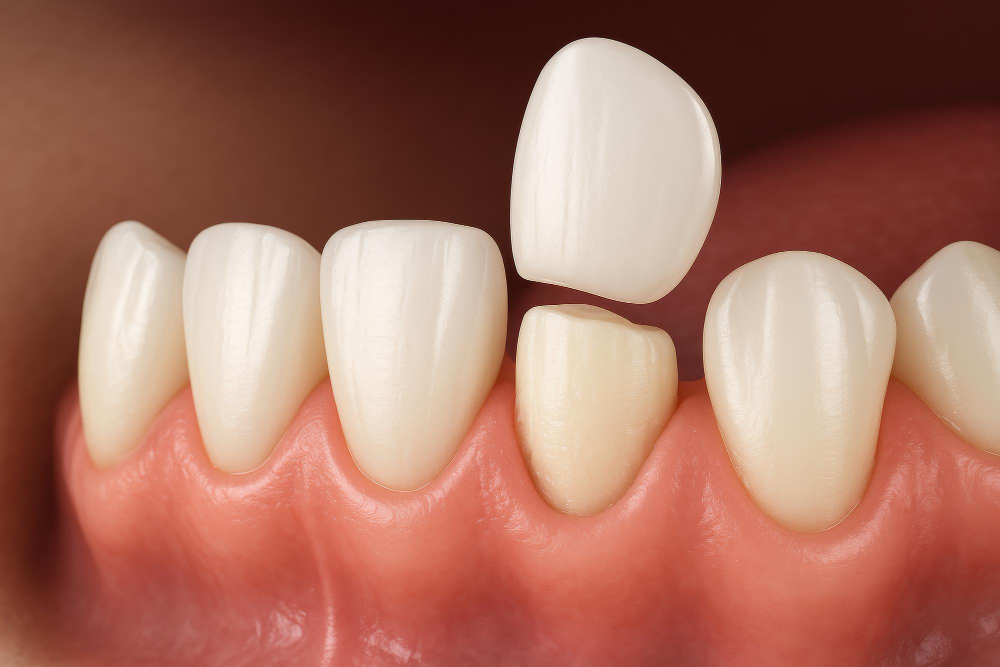
Porcelain veneers are thin, custom-made shells placed on the front of teeth to improve their appearance and function. They are commonly used to correct issues such as discoloration, chips, small gaps, or minor misalignment. Made from durable porcelain, veneers are designed to look natural, resist stains, and provide long-lasting cosmetic improvement with proper care.
At our practice, we help patients achieve the smile they’ve always wanted with quality dental veneers that are designed to last.
How Porcelain Veneers Work
Porcelain veneers are thinly made shells customized to fit the front surface of your teeth. Made from high-quality, durable porcelain, these veneers are designed to mimic the natural appearance of tooth enamel. They are bonded to the teeth using a strong adhesive, which makes them incredibly durable and resistant to stains.
The procedure typically starts by removing a small amount of enamel from the surface of your teeth to make room for the veneer. Once the veneer is created, it is bonded to the tooth, creating a smooth, seamless surface. The end result is a natural-looking, more attractive smile that can last for many years with proper care.
The Benefits of Porcelain Veneers
There are many reasons why patients choose porcelain veneers. These veneers offer several distinct advantages that make them a popular choice in cosmetic dentistry.
Aesthetic Improvement
One of the biggest reasons people opt for porcelain veneers is their ability to dramatically improve how your teeth look. They can correct a variety of imperfections, such as:
- Staining or discoloration
- Chips or cracks
- Minor misalignment or uneven teeth
- Gaps between teeth
Because porcelain closely resembles natural tooth enamel, it blends seamlessly with the surrounding teeth, creating a bright, beautiful, and uniform smile.
Long-Lasting Durability
Porcelain is known for its strength and durability, which makes porcelain veneers a long-lasting solution for improving your smile. With proper care, porcelain veneers can last over a decade. They are resistant to staining, so you can enjoy a white smile for years, even if you drink coffee or tea.
Minimal Alteration to Teeth
Compared to crowns, which involve removing a significant portion of the tooth, porcelain veneers only require a small amount of enamel to be shaved off. This gentle, minimally invasive method ensures greater comfort during the procedure while preserving more of your natural tooth structure. Additionally, since the veneers are custom-crafted to fit your teeth, they provide a precise, natural fit that feels comfortable and looks seamless.
Stain Resistance
Porcelain veneers are highly resistant to staining, unlike natural teeth. This means that they will maintain their white and bright appearance over time, even with the consumption of staining foods or beverages like coffee, red wine, or tobacco. This makes them an ideal choice for those who want a long-lasting, low-maintenance cosmetic solution.
The Process of Getting Porcelain Veneers
Getting porcelain veneers is a relatively straightforward process, but it does require a few visits to the dentist. Here’s what you can expect during the procedure
Consultation and Planning
The first step in getting porcelain veneers is scheduling a consultation with a cosmetic dentist. During this visit, the dentist will assess your oral health, discuss your goals, and determine if veneers are the right solution for you. The dentist will take impressions or digital scans of your teeth to create custom veneers that fit perfectly.
Tooth Preparation
Once the design for your veneers is finalized, a small amount of enamel will be removed from the front surface of your teeth to make room for the veneers. This step is necessary to ensure that the veneers fit seamlessly with the rest of your teeth. Local anesthesia is often used to make the process painless.
Temporary Veneers
While your permanent porcelain veneers are being created, temporary veneers will be placed over your teeth to protect them. These temporary veneers help you get a feel for the final result and ensure that the fit is comfortable.
Bonding the Veneers
Once the custom porcelain veneers have been made, you’ll see your dentist for the final fitting. Your dentist will remove the temporary veneers and bond the permanent ones using a special adhesive. The veneers are then polished to give them a natural, smooth finish.
Ideal Candidate for Porcelain Veneers
Porcelain veneers are a versatile option for many people, but they may not be suitable for everyone. The best candidates for veneers have healthy teeth and gums, as well as realistic expectations about the outcome. Veneers can fix a variety of cosmetic issues, but they may not be the best solution for those with severe misalignment, large cavities, or extensive tooth decay.
Patients with habits like teeth grinding or clenching may need to take extra precautions, as these actions can damage the veneers over time. A cosmetic dentist will evaluate these factors and determine if veneers are the right choice or if another treatment would be more suitable.
Lifespan of Porcelain Veneers
Porcelain veneers are designed to be durable and long-lasting, making them a cost-effective dental treatment. With proper maintenance and care, they can last anywhere from 10 to 15 years or more. While porcelain is highly resistant to stains, it is still important to practice good oral hygiene, including regular brushing, flossing, and routine dental checkups.
Additionally, avoiding habits like chewing on hard objects or using your teeth to open packages can help prolong the lifespan of your veneers.
Maintaining Porcelain Veneers
Taking care of porcelain veneers is not much different from caring for natural teeth. Proper oral hygiene, including brushing twice a day with non-abrasive toothpaste and flossing daily, is essential to keep your veneers and natural teeth in good condition. Routine dental visits are also important to monitor the health of your veneers and surrounding teeth.
If you grind your teeth, wearing a night guard can help protect your veneers from damage during sleep. Though porcelain veneers are strong, they are still vulnerable to damage from habits like teeth grinding or biting on hard objects.
Risks Associated with Porcelain Veneers
Like any cosmetic dental procedure, there are some risks associated with porcelain veneers. Because the process is irreversible, it’s important to carefully consider your decision before proceeding. Once the enamel is removed from your teeth, you will always need to have veneers or a similar restoration on those teeth.
Additionally, some patients may experience temporary sensitivity to hot or cold foods after the procedure. However, this sensitivity usually fades within a few days or weeks.
Benefits of Porcelain Veneers
Porcelain veneers offer an excellent solution for enhancing the appearance of your smile. They are long-lasting, stain-resistant, and look natural. Whether you’re looking to fix discoloration, chips, or minor misalignment, veneers can address multiple concerns with a single treatment.
For those looking for a low-maintenance way to improve their smile, porcelain veneers are an attractive option that offers lasting results.
Ready to Enhance Your Smile?
If you’re considering veneers and want to explore your options, our team at Grand Family Dentistry is here to help. We offer a range of cosmetic dentistry options, from porcelain veneers to teeth whitening, to help you achieve the smile you’ve always wanted. Contact us today to schedule a consultation.
FAQs
What are porcelain dental veneers?
Porcelain dental veneers are thin shells that are bonded to the front of teeth to improve their appearance. They are designed to look like natural tooth enamel while correcting cosmetic imperfections.
How long do porcelain veneers last?
Porcelain veneers typically last 10 to 15 years or longer with proper oral hygiene and regular dental checkups.
Do porcelain veneers look natural?
Yes, porcelain veneers are designed to closely match the color, shape, and translucency of natural teeth, giving them a realistic appearance.
Is getting porcelain veneers painful?
The procedure is usually not painful. Local anesthesia is often used during tooth preparation, and most patients experience only mild temporary sensitivity afterward.
Are porcelain veneers permanent?
Yes, the process is considered permanent because a small amount of enamel is removed from the tooth surface before placement.
Can porcelain veneers stain over time?
Porcelain veneers are highly stain-resistant compared to natural teeth, but maintaining good oral hygiene and avoiding excessive staining habits helps preserve their appearance.