


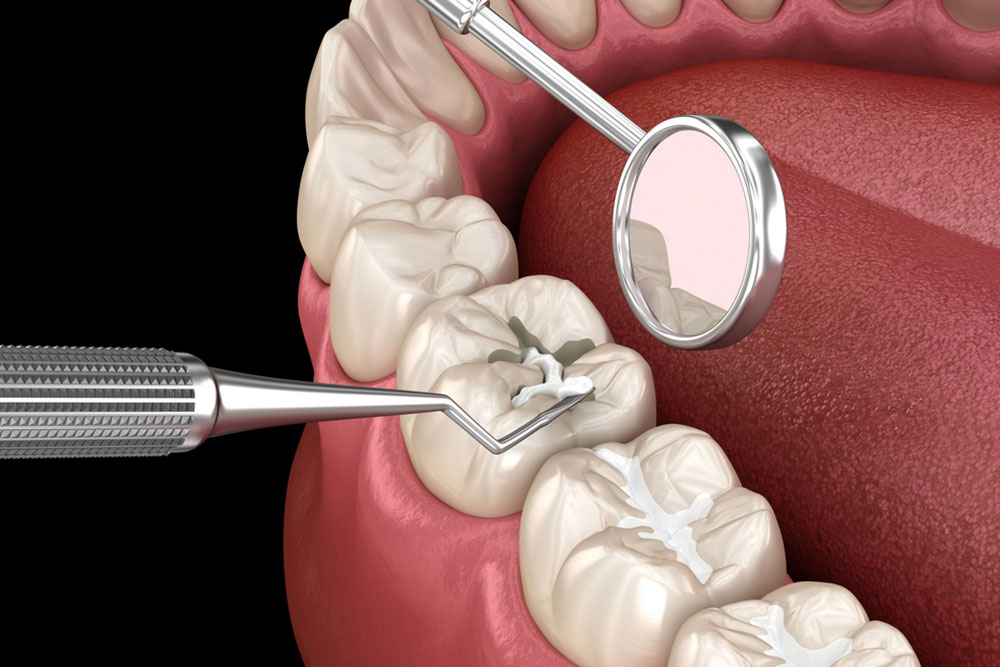
A dental sealant procedure is a simple, preventive treatment that helps protect teeth from decay by sealing deep grooves and fissures where food and bacteria can hide. Many parents choose sealants for children’s molars to reduce the chance of cavities, but adults can benefit, too.
In this article, we walk through the steps of a sealant application so you know what to expect and why each part of the process matters for long‑term success.
Preparing the Tooth
Before applying a sealant, the tooth must be thoroughly prepared. The first step in a dental sealant procedure is cleaning the surface. This removes plaque, food debris, and surface stains that could interfere with the sealant’s bonding to the enamel. Hygienists often use a brush or a gentle cleaning tool to scrub the tooth surface, which is especially helpful if the grooves are deep or the tooth has been untreated for a while.
Isolating the Tooth
After cleaning, the next step is to isolate the tooth so that saliva does not contaminate the surface. Saliva contamination can weaken the bond and reduce how long the sealant lasts. The dental team typically uses cotton rolls, dry pads, or other barriers to hold back saliva and keep the area dry.
Positioning the isolation materials carefully allows the tooth to stay free of moisture. Some clinicians may position the patient’s head a certain way to increase visibility and access. Once the isolation materials are in place, the tooth is thoroughly dried to prepare for the next step.
Etching the Enamel
Once the tooth is dry and isolated, the dentist or hygienist applies an acidic solution to the enamel. This process, known as etching, slightly roughens the surface of the tooth so the sealant material will grip more effectively. The etching material is left on the enamel for a short time, usually around 15 to 20 seconds, before it is rinsed away.
Proper etching helps create microscopic pores in the enamel that increase mechanical retention of the sealant. After etching, the tooth is rinsed with water and then dried again until the etched surface looks matte or chalky. If at any point the etched enamel becomes contaminated with saliva, it may need to be treated again.
Applying the Sealant
Once etching is complete, the resin sealant material is prepared according to the manufacturer’s instructions. The sealant is carefully flowed into the pits and fissures of the tooth. The application typically starts on one side and continues across the surface to help prevent air bubbles from forming. If bubbles appear, they are gently removed with a clean instrument.
During this stage of the dental sealant procedure, precision is essential. The sealant should fully cover the chewing surface grooves without overflowing into unnecessary areas. When sealing multiple teeth, back teeth are often treated first since they can be more difficult to keep dry.
Curing the Material
After placement, the sealant must harden. Some materials set naturally after mixing, while others require activation with a curing light. When a light-activated sealant is used, the curing light is held close to the tooth until the resin fully hardens. This step secures the sealant in place and prepares it for normal chewing forces.
Checking and Finishing
The final step of the procedure is a careful examination of the sealed surface. The dentist or hygienist checks to make sure all the intended grooves and pits are covered. If any area looks uneven or if air bubbles exposed enamel, more sealant material may be added and cured again.
If the sealant has been contaminated by saliva during the process, the area may be re‑etched, dried, and sealed again to promote better adhesion. After everything is set, the patient can rinse and return to normal activities.
Take the Next Step in Preventive Care
If you are interested in learning more about how sealants can help protect your teeth, reach out to us at Grand Family Dentistry. We welcome questions and will work with you to design a preventive care plan that fits your needs. Scheduling an appointment with our team means you benefit from thoughtful explanations, gentle care, and an office environment where your comfort matters.
Request an appointment online to protect your smile with sealants and other preventive treatments designed for lasting dental health.