


Quick Summary
Patients with a physician-confirmed sleep apnea diagnosis who cannot tolerate CPAP may benefit from a custom oral appliance. These devices hold the lower jaw slightly forward to keep the airway open, travel easily, and operate silently. Candidacy depends on severity, dental health, and jaw function, and follow-up with both dentist and physician remains essential. Grand Family Dentistry fits and adjusts appliances after reviewing your sleep study, coordinates with your medical team, and monitors your bite over time. Results vary, so a personal evaluation is the right first step.
Often, the first person to notice a breathing problem during sleep is not the patient. It is a spouse who hears the pauses, or a parent who sees a teenager gasping in the night. If that sounds familiar, a sleep apnea dentist Mandeville LA families can visit may be a valuable part of your care team.
At Grand Family Dentistry, we do not diagnose sleep apnea, because that requires a physician and usually a sleep study. What we can do is help patients who have received a diagnosis explore a comfortable alternative to a CPAP machine: a custom-fitted oral appliance worn during sleep. Below, we explain how these devices work, who may be a candidate, and what the process looks like.
Understanding Obstructive Sleep Apnea
Obstructive sleep apnea occurs when the soft tissues at the back of the throat relax and narrow the airway during sleep, causing repeated pauses in breathing. Patients often describe loud snoring, morning headaches, a dry mouth, and fatigue that lingers through the day. Because these signs overlap with other conditions, a medical evaluation always comes first.
Your physician may recommend a sleep study to confirm the condition and measure its severity. Untreated sleep apnea has been associated with high blood pressure and other health concerns, so a proper diagnosis is worth pursuing.
Why CPAP Does Not Work for Everyone
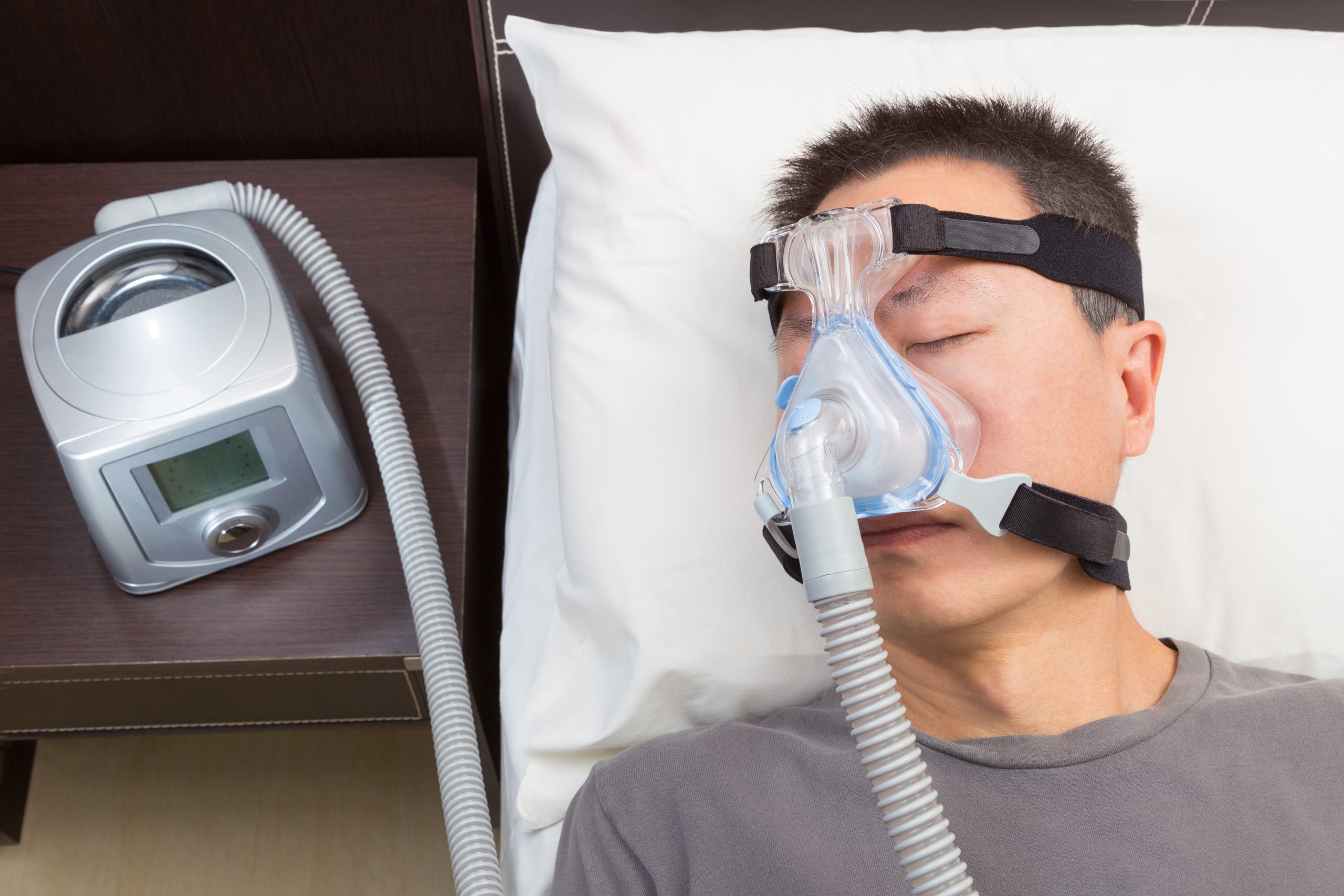
Continuous positive airway pressure therapy is the established first choice for many people, and it can work very well when used every night. The challenge is consistency. Patients tell us the mask feels confining, the straps leave marks, the airflow dries their throat, or the machine is a hassle to pack for a trip. A device that stays in the closet cannot help anyone.
For these patients, sleep medicine guidelines recognize oral appliance therapy as a reasonable alternative, particularly for mild to moderate sleep apnea or when CPAP is not tolerated. People with severe sleep apnea are generally encouraged to continue CPAP unless their physician advises otherwise. The sleep apnea treatment Mandeville patients receive from us begins with that kind of honest sorting.
How an Oral Appliance Works
An oral appliance resembles a sports mouth guard or an orthodontic retainer. The most common style, called a mandibular advancement device, holds the lower jaw slightly forward during sleep, which helps keep the airway more open. We create each device from impressions or scans of your teeth, so it fits your bite instead of relying on a boil-and-bite product from a drugstore shelf.
Patients often appreciate that the appliance is quiet, portable, and needs no electricity. Because clenching and grinding can accompany disrupted sleep, you may also find our newsletter on the hidden dangers of nighttime teeth grinding helpful.
What the Process Looks Like
Care begins with a referral or your sleep study results. At your first visit, we review your medical history and complete a routine dental exam that includes your teeth, gums, and jaw joints. Existing issues such as untreated decay or gum disease need attention first, because an appliance places gentle, steady pressure on the teeth.
Once your device is ready, we adjust the fit and show you how to clean and wear it. Follow-up visits matter. Some patients notice temporary jaw soreness, extra saliva, or small bite changes, and we monitor these closely. If you notice persistent jaw pain, new tooth sensitivity, or a bite that feels different between visits, call us. Your physician may also repeat a sleep study to confirm the appliance is doing its job.
Who May Be a Good Candidate
Oral appliance therapy may suit patients with mild to moderate sleep apnea, those who cannot tolerate CPAP, and people who travel often and want a simpler routine.
It is not right for everyone. Limited jaw movement, significant gum disease, loose teeth, or too few teeth to anchor the device may call for a different approach, and existing jaw joint problems need careful review first. We will tell you honestly whether an appliance is reasonable for you, and we will not recommend one just because it is available.
Caring for Your Appliance
A custom appliance lasts longer and works better when it is cared for properly. Rinse it each morning, clean it with a soft brush and a non-abrasive cleanser, and store it in its case rather than a tissue or pocket. Keep it away from hot water, which can warp the material, and away from curious pets.
Wear it every night, since an appliance in a drawer offers no benefit. Bring it to every checkup so we can inspect it for wear and confirm that it still fits your teeth comfortably.
Choosing the Right Dental Partner
Oral appliance therapy works best when your dentist and physician communicate. A sleep apnea dentist Mandeville LA residents can rely on will keep your medical team informed as your treatment progresses, and we encourage you to bring questions to every visit.
Patients travel to us from Covington, Lacombe, and other communities we serve, and you can meet the team at our North Causeway Boulevard office before you book. Some of the most common concerns are also answered in our dental FAQ.
Take the Next Step Toward Quieter Nights
If your physician has confirmed sleep apnea and CPAP has been a struggle, bring your results to Grand Family Dentistry. We will review your options and explain whether an oral appliance may fit your situation. Call us at 985-231-5390 with any questions.
Schedule a visit at our North Causeway Boulevard office today, and let us help you find a routine you can actually keep.
FAQs
Can a dentist diagnose sleep apnea?
No. Sleep apnea is diagnosed by a physician, usually after a sleep study. Once you have a diagnosis, our dentists can evaluate whether an oral appliance is a reasonable option and coordinate with your medical provider.
Is an oral appliance as effective as CPAP?
It depends on severity. CPAP is generally more effective for severe sleep apnea, while oral appliances can help many people with mild to moderate cases or those who cannot tolerate CPAP. Your physician should confirm progress.
How long does it take to get used to an oral appliance?
Many patients adjust within a few weeks, though experiences vary. Mild jaw soreness or extra saliva is common at first, and we fine-tune the fit during follow-up visits.
Will insurance help pay for an oral appliance?
Coverage varies by plan. Some medical insurance policies contribute when a sleep apnea diagnosis is documented. Our team can help you review your benefits before treatment begins.
Do oral appliances cause side effects?
Some patients notice temporary jaw soreness, extra saliva, or minor bite changes. Regular follow-up lets us catch problems early and adjust the device as needed.