


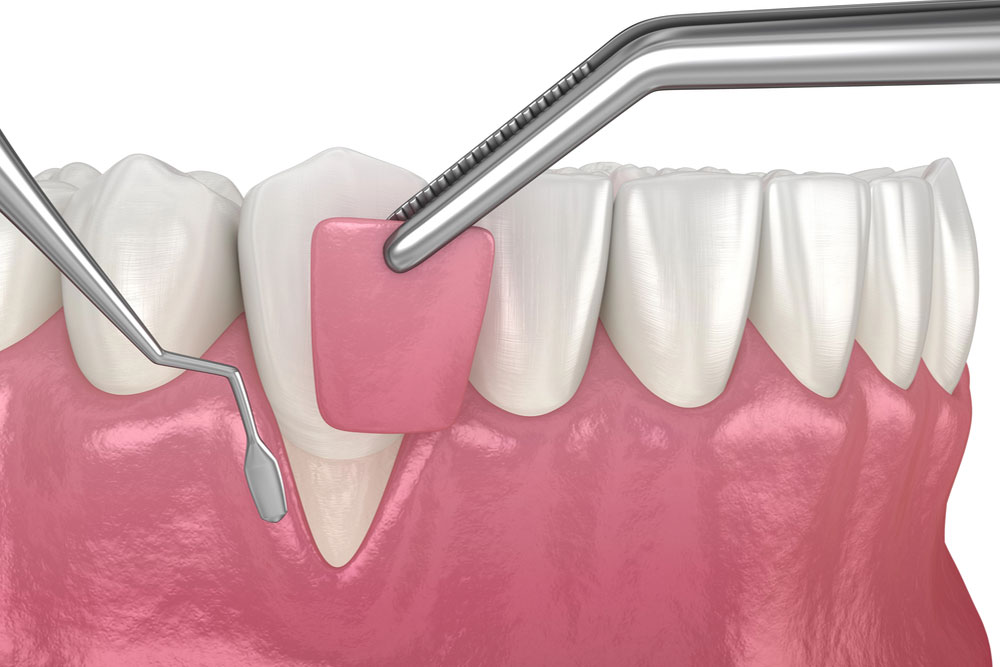
Gum recession rarely begins with pain, yet it often leads to discomfort, sensitivity, and visible changes that patients notice over time. When gum tissue pulls back, tooth roots become exposed and everyday activities like eating or drinking can feel unpleasant. This concern leads many patients to ask whether gum grafting is worth it when faced with ongoing sensitivity or progressing gum disease.
Understanding how gum graft surgery works, what recovery looks like, and how outcomes affect long-term oral health can clarify that decision. Gum grafting addresses more than appearance; it focuses on restoring balance where gum tissue no longer protects teeth effectively.
Understanding Gum Recession and Why It Matters
Healthy gums act as a protective barrier around each tooth. When recession begins, that barrier weakens. Teeth may appear longer, roots may darken in color, and sensitivity to temperature becomes more noticeable. Gum recession also creates spaces where bacteria settle more easily, increasing the risk of advanced gum disease.
Recession does not always result from poor oral hygiene. Overaggressive brushing, genetics, misaligned teeth, previous orthodontic treatment, and inflammation linked to gum disease all play a role. As recession progresses, the exposed root surface lacks the same protective enamel as the crown of the tooth, which explains why discomfort often intensifies over time.
What Gum Graft Surgery Involves
Gum graft surgery focuses on restoring tissue to areas where gums have receded. During the procedure, a dentist or periodontal specialist places healthy tissue over exposed roots to rebuild coverage. The tissue may come from another area of the mouth or, in some cases, from donor material designed for oral use.
Several techniques fall under the broader category of gum grafting. Some procedures use tissue taken from the roof of the mouth, while others reposition nearby gum tissue to cover the affected area. The choice depends on the location of recession, tissue thickness, and overall oral health.
Patients often ask if gum grafting feels invasive. While it is a surgical procedure, modern techniques emphasize precision and comfort. Local anesthesia keeps the area numb, and most patients describe pressure rather than pain during treatment.
Signs That Lead Patients to Consider Gum Grafting
Visible recession often becomes the first sign. Teeth may look uneven in length, or the gumline may appear irregular. Sensitivity to hot or cold foods also signals exposed roots. Some patients notice frequent bleeding, persistent bad breath, or swelling that does not resolve with routine dental visits.
Advanced gum disease, known as periodontitis, frequently leads to recession severe enough to require surgical care. In these cases, gum grafting focuses on limiting further damage while restoring tissue lost to inflammation and bacterial activity.
Regular dental examinations play an important role in identifying recession early. Dentists measure gum depth and monitor changes over time, helping patients understand when surgical intervention may offer lasting value.
Is Gum Grafting Worth It From a Health Perspective?
For many patients, the value of gum grafting extends beyond comfort. Exposed roots face a higher risk of decay because they lack protective enamel. Gum grafting shields those roots, reducing sensitivity and lowering the chance of future restorative treatments.
Stabilizing gum tissue also limits the progression of periodontal disease. When gums fit snugly around teeth again, daily hygiene becomes more effective, and inflammation often decreases. This creates a healthier oral environment that benefits surrounding bone and supporting structures.
Patients concerned about tooth loss often view gum graft surgery as a long-term investment. By addressing recession before it worsens, grafting helps maintain natural teeth rather than relying on complex restorative procedures later.
Cosmetic Changes After Gum Grafting
While health motivates many patients, appearance also plays a role. Receding gums can create a smile that feels uneven or aged. Gum grafting restores balance by reshaping the gumline and covering darkened root surfaces.
These cosmetic improvements often align well with other treatments offered through cosmetic dentistry. A healthier gumline creates a more stable foundation for veneers, crowns, or whitening treatments, leading to more consistent results.
Patients often report increased confidence after healing because their smile looks more uniform and natural. The changes tend to appear subtle yet meaningful.
What Recovery From Gum Graft Surgery Looks Like
Healing after gum graft surgery varies based on the extent of treatment and individual health factors. Mild swelling and tenderness often appear during the first few days, especially at the donor site if tissue was taken from the palate. These symptoms gradually decrease as healing progresses.
During the first week, patients typically follow a soft food diet to limit irritation. Gentle oral care around the treated area helps maintain cleanliness without disturbing the graft. Most patients return to normal routines within a few days, although strenuous activity may pause briefly.
Complete healing often occurs within several weeks. As tissue integrates, sensitivity reduces and gum contours appear more natural. Follow-up visits allow the dental team to evaluate progress and address concerns early.
Long-Term Outcomes of Gum Grafting
When successful, gum grafting offers durable results. The grafted tissue blends with existing gums, creating a stable margin around the tooth. Patients often notice lasting relief from sensitivity and improved comfort during brushing and eating.
Long-term success depends on maintaining healthy habits and attending routine dental visits. Addressing factors that caused recession, such as brushing technique or untreated inflammation, helps preserve results. Many patients find that gum grafting becomes a turning point toward better periodontal health.
Potential Risks and Considerations
Like any surgical treatment, gum graft surgery carries some risks. Temporary discomfort, swelling, or minor bleeding may occur during early healing. Infection remains uncommon but requires prompt attention if symptoms appear.
Some patients experience incomplete root coverage, particularly in areas with severe recession. Even in these cases, grafting often reduces sensitivity and improves gum thickness, offering meaningful benefits.
Discussing expectations with a dental professional helps align treatment goals with realistic outcomes. Each case differs, and individualized planning plays a significant role in satisfaction.
How We Help Patients Decide at Grand Family Dentistry
At Grand Family Dentistry, we approach gum grafting with careful evaluation and patient-focused guidance. We review gum health, discuss symptoms, and explain treatment options clearly so decisions feel informed rather than rushed. When gum grafting fits the situation, our team focuses on comfort, precision, and long-term oral stability.
If you have questions about gum graft surgery or want to explore next steps, contact us to schedule a consultation.