


Quick Summary
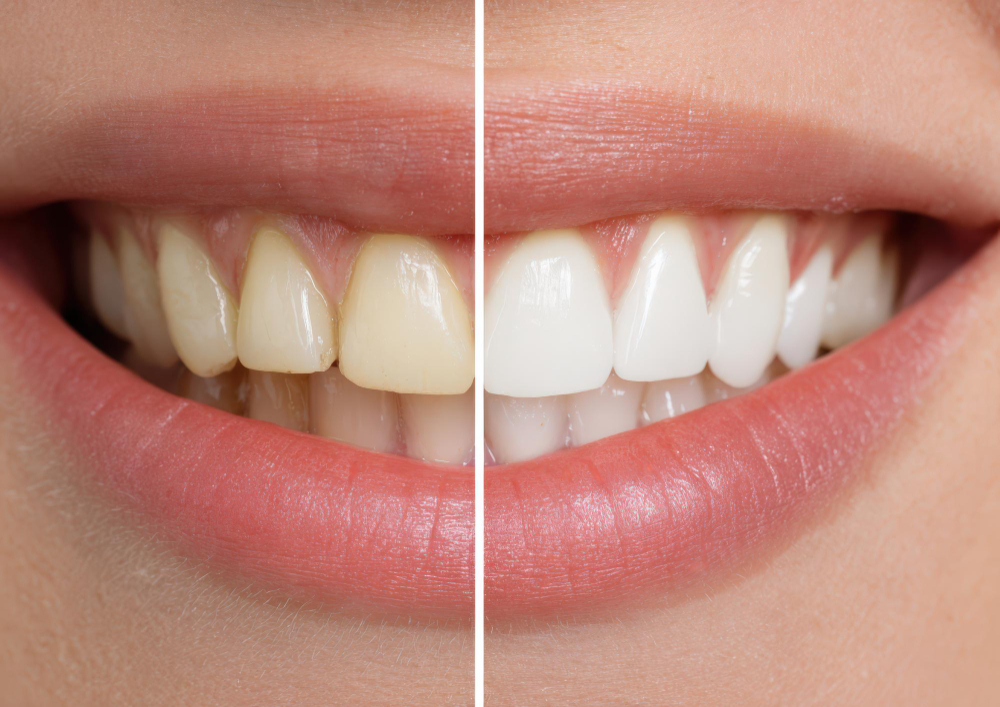
Professional teeth whitening can brighten a smile by several shades in a single visit, but many patients are surprised by how much daily habits affect how long those results actually stick around. Coffee, red wine, smoking, and even the natural aging of enamel all play a role in how quickly whitening fades.
One of the most common questions we hear after a whitening appointment is simple: how long does teeth whitening last, and will I need to do this again soon? The honest answer depends on the type of whitening you choose and how you care for your teeth afterward, but professional treatments consistently outlast anything available over the counter.
In-office teeth whitening in Mandeville, LA uses a significantly higher concentration of bleaching agent than drugstore strips, which allows it to reach stains deeper in the tooth structure.
A Realistic Timeline: 6 Months, 1 Year, and 2 Years
Here is what our Mandeville patients see at different points after in-office whitening, based on the patterns we observe across hundreds of treatments each year:
- At 6 months: Most patients still show minimal fading, especially if they have avoided heavy staining habits like smoking or daily red wine. This is the point where subtle yellowing may just begin to reappear near the gumline.
- At 1 year: A noticeable, though usually still flattering, shift back toward the natural shade is common. Many patients choose a quick touch-up treatment around this point to refresh their results.
- At 2 years: Without any maintenance, most patients have returned close to their pre-treatment shade, though it is rarely as dark as it was originally, since whitening tends to have some cumulative benefit over time.
Take-home tray systems generally follow a shorter timeline, often needing a refresh every six to twelve months, since the bleaching gel used is less concentrated than what we apply in the office.
What Causes Whitening to Fade Faster
A handful of everyday habits are responsible for most of the fading we see in patients who lose their results earlier than expected.
Dark-colored beverages like coffee, tea, and red wine are frequent culprits, along with tobacco use, which stains teeth quickly and significantly shortens whitening results.
Enamel also naturally thins with age, which allows the yellow dentin layer underneath to show through more easily over time, regardless of how well you care for your teeth.
Simple Habits That Help Whitening Last Longer
The good news is that a few consistent habits can meaningfully extend your results. We recommend rinsing with water after drinking coffee or wine rather than letting the stain sit on the enamel, using a straw for dark beverages when possible, and brushing with a whitening toothpaste that uses mild polishing agents rather than harsh abrasives.
Keeping up with regular dental cleanings also removes surface buildup before it has a chance to dull your results.
When to Consider a Touch-Up
Most patients who whitened in-office benefit from a touch-up treatment somewhere between the twelve and eighteen month mark, though this varies by lifestyle.
If you kept your take-home trays from your original treatment, a touch-up is often quick and inexpensive, since you can simply apply fresh gel for a night or two rather than starting the entire process over.
Patients without trays can schedule a new in-office session or request a new set to keep at home for future maintenance.
Choosing Long-Term Options If Fading Bothers You
If you find yourself frustrated by how often whitening needs to be refreshed, it may be worth discussing dental veneers during a cosmetic consultation. Veneers resist staining far better than natural enamel and can maintain a bright, consistent shade for a decade or more, making them a popular option for patients who want a brighter smile without repeated whitening appointments.
In-Office Whitening vs. Take-Home Trays: Which Lasts Longer?
Patients often assume take-home trays and in-office treatment produce the same result, just delivered differently, but the science behind them is a little more nuanced. In-office treatments use peroxide concentrations that are considerably stronger than anything available for home use, which allows the whitening agent to penetrate deeper into the tooth in a shorter amount of time.
Take-home trays use a gentler concentration applied over a longer period, which can still reach a similarly bright shade but tends to fade a bit sooner without a maintenance routine.
Many of our Mandeville patients choose a combined approach: an in-office session for a dramatic initial result, followed by an occasional night in take-home trays every few months to maintain the shade.
This hybrid strategy tends to produce the most consistent long-term results, since it addresses both the depth of the initial whitening and the gradual touch-ups needed to fight everyday staining.
Signs It Is Time to Whiten Again
Rather than whitening on a fixed schedule, we encourage patients to pay attention to a few practical signals. If your teeth look noticeably duller in photos compared to a year ago, or if you find yourself reaching for concealer-style whitening pens more often, those are good indicators that a proper touch-up would serve you better than a temporary fix. Comparing your smile to a photo taken right after your original treatment is one of the simplest ways to judge how much your shade has actually shifted over time.
Keep Your Smile Bright With Grand Family Dentistry
Whether you are whitening for the first time or it is time for a refresh, our team can help you choose the option that fits your lifestyle and budget.
Schedule your teeth whitening appointment with Grand Family Dentistry and let us help you keep your smile looking its brightest.
Frequently Asked Questions
How long does professional teeth whitening actually last?
Results commonly last between six months and two years, with most patients noticing a gradual return toward their natural shade rather than a sudden change. Lifestyle habits play a significant role in how quickly this happens.
Does at-home whitening last as long as in-office treatment?
No, take-home trays generally use a lower concentration gel and tend to need refreshing more often, typically every six to twelve months, compared to the longer-lasting results from in-office treatment.
What foods and drinks stain teeth the fastest after whitening?
Coffee, tea, red wine, and dark sauces like tomato or soy sauce are among the most common culprits, along with tobacco products, which can noticeably shorten how long whitening results last.
Can I use whitening toothpaste to maintain my results?
Yes, a whitening toothpaste with mild polishing agents can help remove surface stains between treatments, though it will not reverse deeper discoloration the way a professional touch-up can.
How often should I get a whitening touch-up?
Most patients benefit from a touch-up every twelve to eighteen months, though this varies based on diet, smoking habits, and how the teeth were originally whitened.