


Quick Summary
Understanding how long dental bonding lasts helps patients maintain cosmetic dental results and protect bonded teeth more effectively. Dental bonding improves chipped, uneven, discolored, or worn teeth using tooth-colored composite material shaped directly onto the enamel. The lifespan of bonding depends heavily on oral hygiene habits, daily wear, and long-term maintenance. Learning how bonding works and what affects durability helps patients keep their smiles looking healthier and more natural for years.
How long does dental bonding last? This is a common question among patients considering cosmetic improvements for chipped, uneven, or discolored teeth. Dental bonding is a popular cosmetic treatment because it improves smile appearance while requiring minimal changes to the natural tooth structure. The procedure uses tooth colored composite resin that is carefully shaped and polished to blend naturally with surrounding teeth.
Many patients choose bonding because it creates noticeable cosmetic improvements without requiring extensive dental work. Bonding can improve small gaps, repair chips, smooth uneven edges, and cover discoloration while helping patients maintain a more balanced smile. Since the treatment is often completed in a single appointment, it remains a convenient option for many adults seeking cosmetic dental improvements.
At Grand Family Dentistry, we discuss cosmetic treatment goals carefully so patients understand both the benefits and long term maintenance involved with dental bonding. Knowing how bonding responds to daily habits and oral hygiene routines often helps patients protect their results more effectively over time.
What Is Dental Bonding Used for?
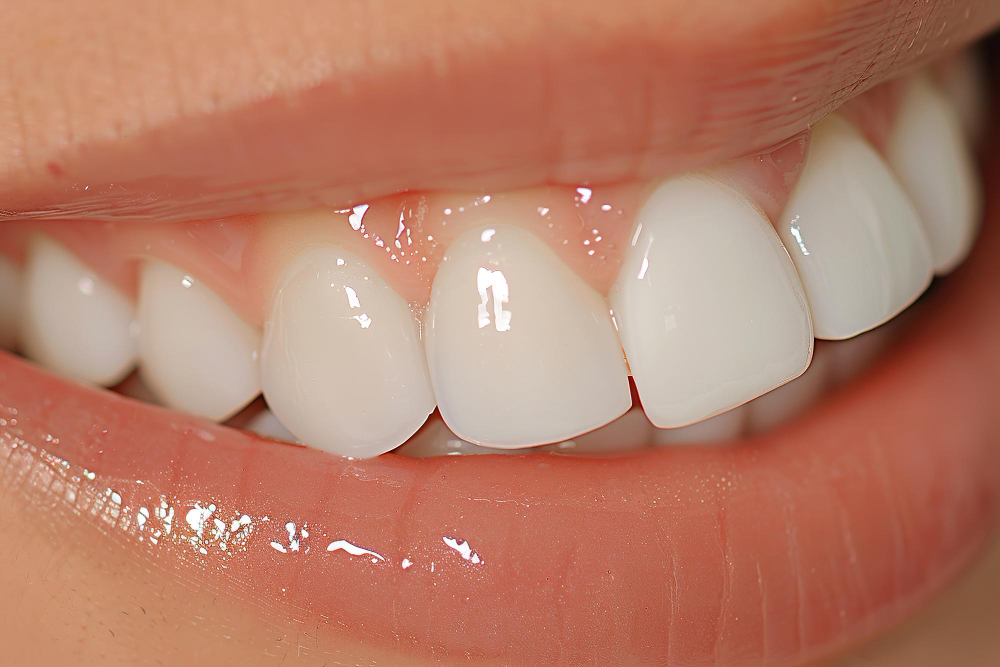
Dental bonding is commonly used to repair cosmetic imperfections while improving the overall appearance of the smile. Dentists apply a tooth colored composite material directly to the tooth surface before shaping and polishing it to match surrounding enamel. The final result is designed to blend naturally with nearby teeth while restoring symmetry and balance.
Bonding is often recommended for small chips, cracks, discoloration, uneven spacing, and worn tooth edges. Some patients also use bonding to improve tooth shape or create a more even smile line. Since the procedure preserves most of the natural tooth structure, bonding is considered a more conservative cosmetic treatment compared to veneers or crowns.
Many patients appreciate the flexibility of bonding because it addresses multiple cosmetic concerns with relatively simple treatment. The ability to complete bonding in one appointment also makes it a convenient option for patients seeking faster cosmetic improvements.
How Long Does Dental Bonding Typically Last For?
The lifespan of dental bonding depends on several factors, including oral hygiene habits, bite pressure, and daily wear. On average, bonding often lasts several years before needing touch ups or replacement. Patients who maintain good oral care habits and avoid damaging behaviors usually experience longer lasting results.
Bonded teeth experience normal wear over time, especially in areas exposed to strong chewing pressure. Front teeth used for biting into hard foods may experience more stress than teeth exposed to lighter pressure during daily function. Lifestyle habits also influence durability significantly.
Although bonding is durable, it is not as strong as natural enamel or certain restorative materials like porcelain. Patients who understand these limitations often protect their bonding more carefully and maintain their cosmetic results longer.
Daily Habits That Affect Bonding Longevity
Everyday habits play a major role in how long dental bonding lasts. Patients who frequently bite hard objects such as ice, pens, fingernails, or hard candy place additional stress on bonded teeth, increasing the risk of chips or cracks in the composite material.
Teeth grinding and jaw clenching also contribute to bonding wear over time. Continuous pressure gradually weakens the material and may shorten the lifespan of the restoration. Patients who grind their teeth during sleep often benefit from wearing a custom nightguard to reduce unnecessary stress on bonded teeth.
Dietary habits also influence bonding durability and appearance. Coffee, tea, red wine, and tobacco products can stain composite resin more easily than natural enamel. Patients who limit staining foods and maintain consistent oral hygiene often preserve the appearance of their bonding more effectively.
The Importance of Good Oral Hygiene
Maintaining strong oral hygiene habits is one of the best ways to protect dental bonding over time. Brushing twice daily, flossing regularly, and attending routine dental cleanings help reduce plaque buildup around bonded areas and keep surrounding teeth healthy.
Healthy gums also contribute to longer lasting cosmetic results. Gum recession or untreated dental issues can affect the appearance and stability of bonded teeth over time. Regular dental examinations allow dentists to monitor bonding conditions and identify small concerns before larger repairs become necessary.
Patients sometimes assume cosmetic dental work does not require the same level of maintenance as natural teeth, but bonded teeth still require consistent care. Strong oral hygiene habits help preserve both the bonding material and the surrounding tooth structure.
Signs Bonding May Need Repair or Replacement
Dental bonding gradually wears down over time, and certain signs often indicate when repairs or replacement become necessary. Chipping, rough edges, discoloration, and changes in shape are among the most common signs of bonding wear.
Some patients also notice staining that no longer responds well to routine cleanings. Since composite resin absorbs stains more easily than porcelain, older bonding may appear darker or less polished after several years. Uneven wear or visible gaps between the bonding and tooth surface may also develop over time.
Regular dental visits help identify these concerns early before more extensive treatment becomes necessary. In many cases, small repairs or touch ups help extend the lifespan of existing bonding while maintaining a natural appearance.
Protecting Your Smile for Long Term
Grand Family Dentistry works closely with patients to create cosmetic treatment plans that improve smile appearance while protecting long term oral health. We take time to explain bonding maintenance and daily care habits so patients understand how to preserve their cosmetic results more effectively.
Contact us today to learn more about bonding and discuss cosmetic treatment options designed around your smile goals.
FAQs About Dental Bonding Longevity
How long does dental bonding last on front teeth?
Dental bonding on front teeth often lasts several years with good oral hygiene and careful daily habits that reduce excessive pressure on the teeth.
Can dental bonding stain over time?
Yes, bonding material can stain from coffee, tea, tobacco, and other dark colored foods or beverages if not maintained properly.
Is dental bonding easy to repair?
Yes, small chips or wear in dental bonding are often repairable without replacing the entire restoration in many cases.