


Quick Summary
Choosing between veneers and Lumineers depends on tooth alignment, the amount of correction needed and how much enamel a patient is comfortable having reshaped. Traditional porcelain veneers involve slight tooth preparation and provide strong coverage for chips, gaps and discoloration. Lumineers are thinner and may require less tooth preparation, but they generally work best for mild cosmetic concerns. Cost and longevity vary by case rather than by brand alone. A personalized evaluation can help determine which option is most likely to provide a durable, natural-looking result for your smile.
If you have been researching dental veneers as a way to fix chips, gaps, discoloration, or uneven teeth, you have probably come across the question of veneers vs. lumineers and wondered which option is right for your smile. Both treatments use thin, custom-made shells bonded to the front surface of teeth to improve appearance, but they differ in preparation, thickness, durability, appearance, and long-term results.
Understanding these differences can help you make a more informed decision before beginning cosmetic dental treatment. Factors such as tooth condition, desired appearance, lifestyle, budget, and the amount of enamel that must be removed all influence which option may be the better fit for your smile and long-term oral health goals.
What Are Traditional Porcelain Veneers?
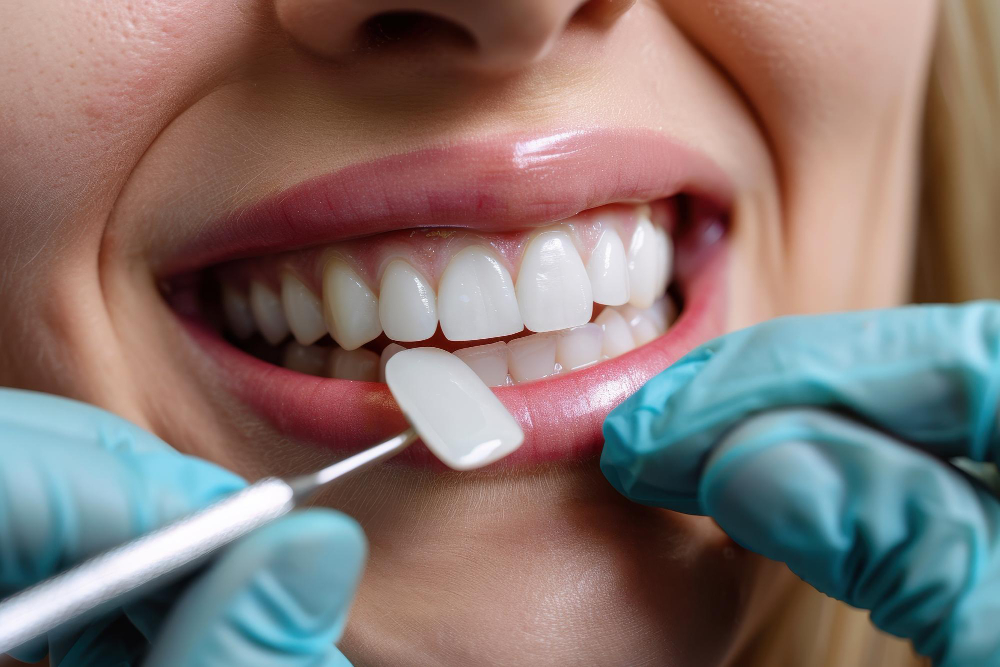
Traditional porcelain veneers are custom shells, usually between 0.5 and 0.7 millimeters thick, bonded to the front surface of a tooth after a small amount of enamel has been removed to make room for them. This reshaping step is what allows veneers to sit flush against the tooth rather than looking bulky.
Porcelain itself resists staining well and can be shaded to match the surrounding teeth, which is why veneers remain one of the most requested treatments in cosmetic dentistry.
What Makes Lumineers Different?
Lumineers are a patented brand of ultra-thin veneer, often less than 0.3 millimeters thick. Because they are so thin, many patients can get Lumineers with little to no enamel removal, and the process is sometimes reversible.
That said, the tradeoff is that Lumineers work best on teeth that are already reasonably aligned and lightly discolored. Teeth with more significant damage, gaps, or dark staining often need the added strength and coverage of standard porcelain veneers.
Comparing Prep, Fit, and Feel
With veneers vs. lumineers, the biggest practical difference patients notice is at the fitting appointment. Traditional veneers usually require a small amount of tooth shaving so the final shell blends naturally with your bite. Lumineers, being thinner, can sometimes be placed directly over the existing tooth surface.
However, some patients report that Lumineers feel slightly more noticeable or bulky at first, since less of the natural tooth was reshaped to accommodate them.
Durability and Lifespan
Porcelain veneers typically last 10 to 15 years with good care, while Lumineers are generally rated for a similar range but can vary more depending on the thickness chosen and how well the patient maintains oral hygiene. Both options can chip or crack under enough pressure, which is why we recommend a night guard for patients who grind their teeth, regardless of which shell they choose.
Cost Considerations
Pricing for lumineers vs. veneers depends on the number of teeth being treated, the complexity of the case, and whether any preparatory work like dental bonding is needed first. Lumineers are sometimes marketed as a lower cost option because they involve less lab work, but pricing can vary widely by provider and case complexity, so it is worth getting a personalized consultation rather than assuming one option is automatically less expensive.
Appearance and Aesthetic Results
Both traditional veneers and Lumineers are designed to create a brighter, more uniform smile, but the final appearance can differ depending on your natural teeth.
Traditional porcelain veneers offer greater flexibility in changing tooth color, shape, and size because they are thicker and can better mask deep stains or uneven surfaces.
Lumineers create a more conservative enhancement that works best when the underlying teeth already have a pleasing shape and only require subtle cosmetic improvements.
Candidacy for Each Treatment
Not every patient is an ideal candidate for both options. Traditional veneers are commonly recommended for teeth with noticeable chips, moderate spacing, uneven edges, worn enamel, or significant discoloration.
Lumineers may be a better choice for patients with healthy enamel, minimal cosmetic concerns, and good tooth alignment. A comprehensive dental examination helps determine which treatment can achieve the desired result while preserving as much natural tooth structure as possible.
Caring for Veneers and Lumineers
Daily maintenance is very similar for both restorations. Brushing twice a day with a non-abrasive toothpaste, flossing daily, and keeping routine dental appointments help extend their lifespan.
Although porcelain resists staining better than natural enamel, limiting habits such as chewing ice, biting fingernails, or using teeth to open packages can reduce the risk of chips or fractures.
Patients who grind their teeth during sleep may also benefit from wearing a custom night guard.
Questions to Ask During Your Consultation
Before choosing a cosmetic treatment, it helps to discuss your goals with your dentist. Ask how much enamel removal will be required, how long the restoration is expected to last, and what maintenance will be needed over time.
You should also discuss the expected appearance, treatment timeline, and total cost so you have realistic expectations before beginning the procedure.
A personalized consultation makes it easier to select the option that matches both your smile goals and your long-term dental health.
Which Option is Right for You?
Choosing between these two treatments comes down to your current tooth structure, the change you want to see, and how permanent you want the result to be. Patients with well-aligned teeth and mild cosmetic concerns often do well with Lumineers, while those needing to correct more noticeable chips, gaps, or discoloration usually benefit from the strength and coverage of traditional veneers.
If you are considering veneers in Baton Rouge, contact us today. Our team can walk you through both options during a consultation.
Ready to Get Started?
The best way to know which shell suits your smile is a one on one evaluation with our team. Schedule a consultation with Grand Family Dentistry and we will help you compare your options honestly, without any pressure to choose the pricier route.
Frequently Asked Questions
Do Lumineers require any tooth preparation?
Some cases require minimal shaping, but many patients can receive Lumineers with very little enamel removal. Traditional veneers generally require more tooth preparation to create enough space for the porcelain shell.
Can veneers or Lumineers be replaced later?
Yes, both options can be replaced if they become worn, damaged or no longer match your cosmetic preferences. Replacement may be more involved with traditional veneers because the teeth were reshaped during the original treatment.
Will insurance cover either treatment?
Most dental insurance plans classify veneers and Lumineers as cosmetic procedures and do not provide coverage. Financing options or payment plans may be available to help make treatment more manageable.
How do I know which option fits my teeth?
A dentist will need to examine your tooth alignment, enamel condition and the extent of any discoloration, chips or other cosmetic concerns before recommending veneers or Lumineers.