


Quick Summary
Chipped teeth, small gaps, and discoloration can often be corrected with either dental bonding or veneers, but the two treatments are not interchangeable. Bonding is faster and more affordable, while veneers offer greater durability and a more dramatic transformation for multiple teeth. Choosing between them depends on the size of the imperfection, your budget, and how long you want the results to last.
Patients frequently come to us trying to decide between dental bonding vs. veneers to fix a chip, gap, or discolored tooth, and it is one of the most common cosmetic questions we field in Mandeville. Both treatments can produce a natural, attractive result, but they are built for different situations.
Understanding the difference upfront can save you time, money, and a second procedure down the road.
What Dental Bonding Involves
Dental bonding uses a tooth-colored composite resin applied directly to the surface of the tooth, then shaped and hardened with a curing light. Because there is no lab work involved, bonding can typically be completed in a single visit, often in under an hour for a single tooth.
It is our go-to recommendation for small, isolated fixes such as closing a minor gap between the front teeth, repairing a small chip, or covering a spot of discoloration that has not responded to whitening.
The tradeoff is durability. Composite resin is more prone to staining than porcelain and is more likely to chip under pressure from things like nail-biting or chewing ice. Most bonding lasts between five and ten years before it needs to be touched up or replaced.
What Dental Veneers Involve
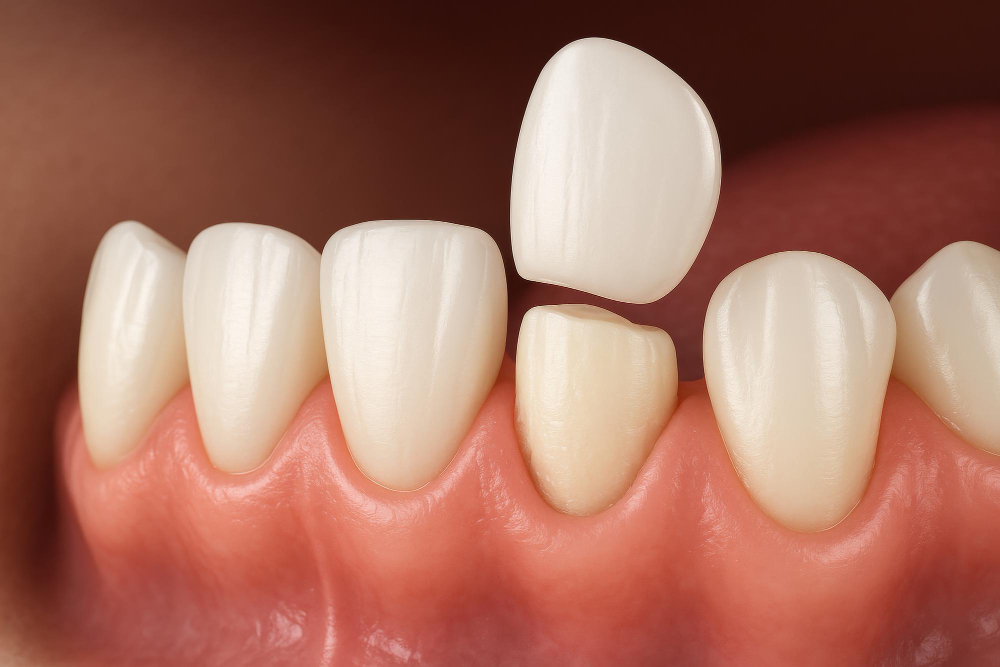
Dental veneers are custom-fabricated shells, most often made of porcelain, that are bonded over the entire front surface of a tooth. Because veneers are created in a dental lab from an impression of your teeth, the process takes two appointments rather than one.
Veneers require a small amount of enamel to be removed to accommodate the shell, which makes this a more permanent commitment than bonding, but it also produces a stronger, longer-lasting, and more stain-resistant result. Well-maintained porcelain veneers often last ten to fifteen years or longer.
Comparing Cost and Longevity
Bonding is almost always the more budget-friendly option upfront, since it requires no lab fees and less chair time. Veneers cost more per tooth but tend to offer better long-term value for patients addressing multiple teeth or seeking a more dramatic, uniform transformation.
When we walk patients through cost, we also factor in how often each option is likely to need replacement, since a cheaper treatment that needs touch-ups every few years is not always the more economical choice over a ten-year span.
How Our Mandeville Dentists Decide Between the Two
Here is how our Mandeville dentists decide between bonding and veneers for each patient. We start by looking at how many teeth are involved.
A single small chip is usually best handled with bonding, while a full smile transformation across six or more front teeth almost always favors veneers for a more consistent, cohesive appearance.
We also consider your bite and grinding habits, since patients with a heavy bite or a history of bruxism may need the added strength of porcelain rather than composite.
Finally, we factor in your stain tolerance; patients who drink a lot of coffee or wine and want a long-lasting bright result often lean toward veneers, since porcelain resists staining far better than composite resin.
Can You Combine Both Treatments?
Yes, and we do this regularly. It is common for a patient to get veneers on the most visible front teeth while using bonding on a less prominent tooth nearby, which keeps costs down without sacrificing the overall look of the smile. This kind of hybrid plan is one of the advantages of working with a practice that offers a full range of cosmetic options rather than a single specialty.
What the Procedure Day Looks Like for Each Option
Knowing what to expect on the day of treatment can make the decision feel less abstract. For bonding, you can walk in and walk out the same day with a finished result. Our dentist will select a composite shade that matches your surrounding teeth, apply and sculpt the material directly onto the tooth, then harden it with a curing light and polish it to a natural-looking sheen, often within thirty to sixty minutes for a single tooth. There is no numbing required for most bonding cases unless the tooth also needs a small amount of shaping.
Veneers involve a bit more planning. The first appointment includes preparing the tooth surface, taking an impression or digital scan, and placing a temporary veneer while your permanent restoration is custom-made in a dental lab.
Roughly one to two weeks later, you return for a second appointment where the temporary is removed and the permanent veneer is bonded into place, checked for fit and bite alignment, and polished.
While this process takes longer than bonding, it allows for a more precisely engineered result, particularly when several teeth need to match in color and shape.
Maintaining Your Results Either Way
Neither bonding nor veneers are maintenance-free, and how you care for them afterward has a direct impact on how long they last.
We recommend avoiding habits like biting fingernails, chewing on ice, or using your teeth to open packaging, since these put unnecessary stress on both composite and porcelain restorations.
Routine cleanings also allow us to check the edges of bonded or veneered teeth for any early signs of wear, chipping, or a shift in color, so small issues can be addressed before they require a full replacement.
Let Us Help You Decide
The right choice between bonding and veneers depends on your specific teeth, goals, and budget, and the best way to know for sure is a hands-on evaluation.
Schedule a cosmetic consultation with Grand Family Dentistry and our team will help you choose the option that will serve your smile best.
Frequently Asked Questions
Which is cheaper, dental bonding or veneers?
Dental bonding is generally the more affordable option upfront, since it requires no lab fabrication and can often be completed in a single visit, while veneers involve higher material and lab costs.
Does dental bonding stain like natural teeth?
Yes, composite resin used in bonding is more prone to staining over time than porcelain veneers, so patients who consume a lot of coffee, tea, or wine may notice bonded teeth discolor faster than the surrounding enamel.
How long do veneers last compared to bonding?
Porcelain veneers last ten to fifteen years or more with proper care, while bonding usually needs to be touched up or replaced within five to ten years.
Is getting veneers a permanent decision?
Veneers require a small amount of enamel removal to fit properly, which makes the process less reversible than bonding. This is one reason we take extra time discussing goals and expectations before moving forward with veneers.