


Quick Summary
Telling bad veneers vs. good veneers apart comes down to fit, shade matching and the planning that happens before treatment even begins. Poorly executed veneers often look bulky, mismatched or uncomfortable, while well-planned cases result in a natural, proportionate smile that blends with the gumline and surrounding teeth. Reviewing a provider’s past work through photos and patient feedback helps set expectations before committing to treatment. Even veneers that did not turn out as hoped can usually be corrected with a fresh evaluation and a properly matched replacement.
Not all dental veneers are created equal, and understanding bad veneers vs. good veneers before committing to treatment can save patients from an outcome that looks unnatural or feels uncomfortable. At Grand Family Dentistry, we walk patients through exactly what separates a well planned veneer case from one that falls short, so they know what to expect and what to ask for.
Signs of a Poor Veneer Fit
Well-designed veneers should look natural, feel comfortable, and blend seamlessly with your smile. When a veneer is poorly planned or improperly placed, it can affect both appearance and function, making it important to recognize the warning signs early.
- Bulky or Oversized Appearance: Veneers that appear too thick or oversized can make teeth look unnatural and feel uncomfortable against the lips and cheeks. Properly fitted veneers should complement your facial features and smile without creating a bulky or artificial appearance.
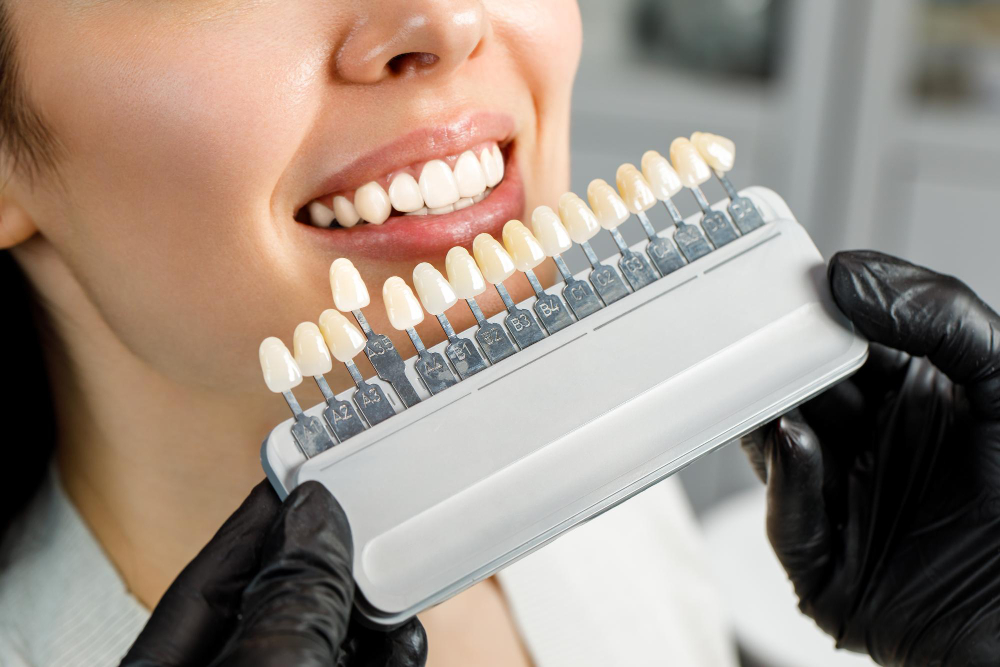
- Poor Color Match: Veneers that are significantly whiter, darker, or more opaque than the surrounding teeth can stand out instead of blending naturally. A carefully selected shade should match nearby teeth and create a balanced, realistic smile that looks attractive in different lighting conditions.
- Visible Gaps or Uneven Margins: Small gaps near the gum line or uneven edges where the veneer meets the natural tooth may indicate an improper fit. These spaces can trap plaque and bacteria, increasing the risk of gum irritation, staining, and future dental problems.
- Bite or Speech Discomfort: Veneers should not interfere with normal chewing or speaking. If teeth feel uneven when biting together or certain words become difficult to pronounce after treatment, the veneers may require adjustment to improve comfort and restore proper function.
- Rough or Irregular Surface: Quality veneers should have a smooth, polished finish that feels similar to natural enamel. Rough edges, sharp corners, or uneven surfaces can irritate the tongue and cheeks while also making it easier for plaque and stains to accumulate over time.
What Good Veneers Vs. Bad Veneers Comes Down To
The difference between good veneers vs. bad veneers begins long before the veneers are bonded to the teeth. Successful treatment depends on careful planning, detailed evaluation, and clear communication about the patient’s goals. During the consultation, the dentist evaluates tooth shape, bite alignment, gum health, facial proportions, and smile line to determine the most natural-looking result. Digital imaging, smile mock-ups, or trial restorations may also be used to help visualize the expected outcome before treatment begins.
Shade selection is another important step because veneers should complement a patient’s skin tone, facial features, and surrounding natural teeth instead of appearing unnaturally bright or uniform. The size, length, and contour of each veneer should also be customized to maintain proper function while creating a balanced smile. When these details are overlooked or the planning process is rushed, patients are more likely to experience poor aesthetics, bite discomfort, or restorations that look artificial. Taking time to plan every stage of treatment greatly increases the likelihood of achieving veneers that look natural, feel comfortable, and last for many years.
The Role of Material and Technique
Quality porcelain, precise shaping in a dental lab, and skilled placement all contribute to a result that looks and feels like natural teeth. Poor quality veneers sometimes use lower grade materials that discolor faster or chip more easily. Technique also matters, since the fit at the gum line and along the bite needs careful adjustment, something that is much easier to get right within a broader treatment plan that considers the whole mouth, including dental crowns if adjacent teeth need repair too.
How to Evaluate a Provider Before Committing
Reviewing before and after photos in a provider’s smile gallery is one of the best ways to judge the quality of past work. Patient reviews can also reveal how satisfied previous patients were with their fit, comfort, and appearance.
A trustworthy provider should be willing to walk through the planning process, discuss shade options, and set realistic expectations rather than promising a dramatic transformation without explaining the details.
What a Well Planned Case Looks Like
A well executed veneer case typically results in teeth that look proportionate to the patient’s face, match the natural translucency of enamel, and feel comfortable when eating or speaking. The edges should blend seamlessly with the gum line, and the shade should complement rather than clash with the patient’s smile.
Patients considering veneers in Baton Rouge can view examples of well matched cases through our Baton Rouge team as part of their consultation.
Fixing Veneers That Did Not Turn Out Well
If a patient already has veneers that do not fit properly or look unnatural, replacement is usually possible. A new evaluation, updated imaging, and a fresh shade match can often correct the issues from an earlier case. It is worth consulting with a dentist experienced in cosmetic dentistry rather than living with a result that does not meet expectations.
Ready to Get Started?
If you want veneers that look natural and fit comfortably from the start, schedule a consultation with Grand Family Dentistry so we can walk you through our planning process.
Frequently Asked Questions
What are the most common signs of bad veneers?
Bulky shapes, visible gaps near the gumline, an unnatural shade and discomfort while biting are common signs of poorly fitted veneers.
Can bad veneers be replaced?
Yes, most cases can be corrected with a new evaluation, updated imaging and a properly matched replacement veneer.
How can I tell if a provider does quality veneer work beforehand?
Reviewing a provider’s smile gallery and patient feedback, along with asking about the planning process, can help you evaluate the quality of their previous veneer work.
Does the color of veneers fade or change over time?
Quality porcelain is highly resistant to staining. However, lower-grade materials may discolor more quickly, which is one reason the type and quality of material used matter.
Do good veneers feel different from natural teeth?
After a short adjustment period, well-fitted veneers should feel comfortable and function much like natural teeth. Veneers that continue to feel bulky, interfere with your bite or cause ongoing discomfort should be evaluated by your dentist for a possible adjustment.