


Tooth decay often starts in the narrow grooves of back teeth, long before a child notices discomfort or visible damage. These areas trap food and bacteria easily, even with regular brushing. Parents often ask if added protection makes sense at an early age. Questions regarding whether dental sealants worth it, how long they last, and how they affect daily oral care come up often.
Understanding how tooth sealant for kids works and why teeth sealants for kids remain widely recommended helps families make confident, informed choices.
Understanding Dental Sealants for Children
Dental sealants form a thin, protective layer over the chewing surfaces of molars and premolars. These teeth feature pits and fissures that toothbrush bristles struggle to reach. Sealants flow into these tiny grooves, creating a smooth surface that blocks bacteria and food particles. Pediatric dentists have used this method for decades as part of preventive care. When applied properly, sealants act as a barrier during the years when children face the highest cavity risk.
Many parents associate cavities with sugar alone, yet tooth anatomy plays a major role. Even children with good brushing habits can develop decay in hard-to-clean areas. Sealants address that structural challenge directly.
Why Cavities Target Children So Early
Baby teeth and newly erupted permanent teeth have softer enamel than adult teeth. This makes them more vulnerable to acid produced by bacteria. Add frequent snacking, developing brushing habits, and limited dexterity, and the risk rises quickly. Molars usually erupt around ages six and twelve, which places them in a high-risk window during early school years.
Sealants target this exact stage. By protecting the chewing surfaces soon after eruption, dentists reduce the chance that decay will take hold before enamel hardens fully.
How the Sealant Application Process Works
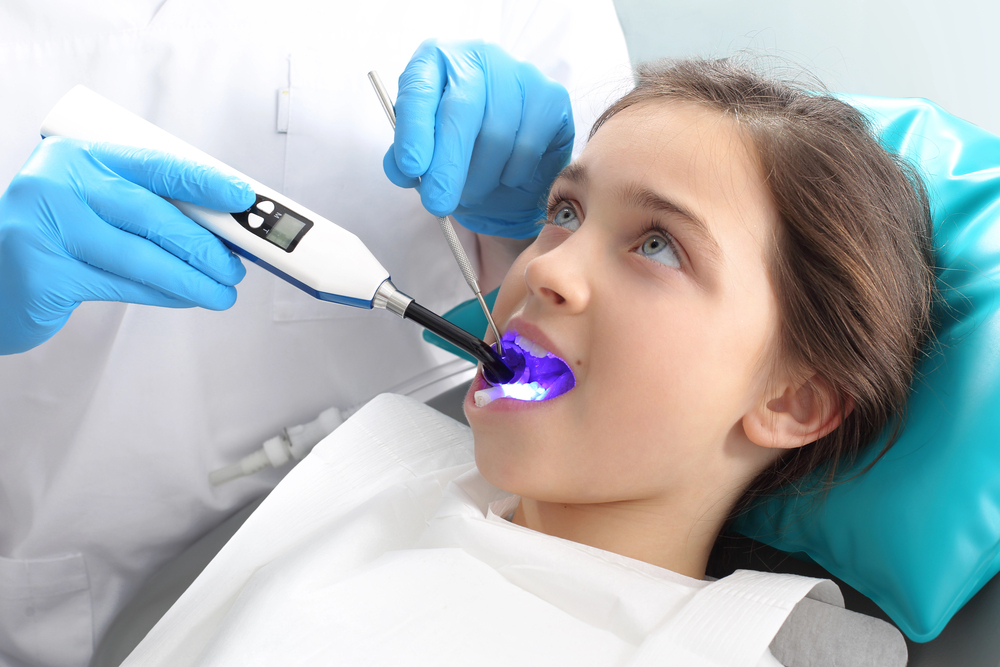
The sealant process remains simple and non-invasive. No drilling or removal of tooth structure occurs. The dentist cleans and dries the tooth, then applies a gentle solution that helps the sealant bond. After rinsing and drying again, the sealant material flows onto the tooth and hardens within seconds using a special light.
Children typically feel no discomfort during this process. The appointment fits easily into a routine dental visit, making sealants a practical preventive step rather than a major procedure.
Are Dental Sealants Worth It Compared to Fillings
Parents often compare sealants to fillings when weighing cost and value. Sealants cost far less than restorative treatment and help avoid future dental work. A single filling requires removal of decayed tooth structure and may need replacement later in life. Sealants, by contrast, preserve the natural tooth surface.
Research consistently shows that children with sealants experience fewer cavities in molars than those without. This reduction translates into fewer dental visits focused on treatment rather than routine care.
Longevity and Maintenance of Teeth Sealants for Kids
Sealants can last several years with normal chewing. Dentists check them during regular exams and reapply material if wear appears. Even when sealants partially wear down, they still offer protection in deeper grooves.
Routine brushing and flossing continue as normal. Sealants do not replace daily oral hygiene or professional cleanings. They work alongside these habits, not instead of them.
Safety Considerations Parents Ask About
Safety questions arise often, especially regarding materials used in sealants. Modern dental sealants meet strict safety standards and dentists apply them in very small amounts. Studies show that exposure levels remain extremely low and pose no known health risk.
Parents can feel confident that sealants focus on prevention without introducing unnecessary concerns. Dentists also select materials based on a child’s specific needs and dental history.
Which Children Benefit Most from Tooth Sealant for Kids
Children with deep grooves in their molars benefit greatly from sealants. Those with a history of cavities or inconsistent brushing habits also gain added protection. Sealants work well for both primary and permanent teeth, depending on eruption timing and risk assessment.
Dentists evaluate each child individually. Not every tooth needs a sealant, and not every child requires the same approach. Personalized care leads to better long-term outcomes.
Common Myths About Dental Sealants
Some parents believe sealants weaken teeth or trap bacteria underneath. Proper placement prevents these issues. Dentists apply sealants only after cleaning the tooth thoroughly, and the material bonds tightly to enamel.
Another misconception suggests that sealants replace brushing. In reality, sealants only cover chewing surfaces. Brushing and flossing remain necessary for smooth surfaces and gumlines.
Dental Sealants as Part of Preventive Dentistry
Preventive care focuses on stopping problems before they start. Sealants fit naturally into this philosophy. They work alongside fluoride treatments, cleanings, and home care routines. For families already committed to preventive dentistry, sealants add another layer of protection without altering daily habits.
As children grow, their dental needs change. Preventive strategies adapt as well, helping maintain healthy teeth into adolescence and adulthood.
How Dental Sealants Compare to Other Preventive Options
Fluoride strengthens enamel across all tooth surfaces, while sealants protect specific high-risk areas. These approaches complement each other rather than compete. Some children benefit from both, depending on cavity risk and enamel strength.
Dentists consider diet, oral hygiene habits, and dental history before recommending sealants. This tailored approach avoids unnecessary treatments while focusing attention where it matters most.
The Role of Parents in Sealant Success
Parents play a key role in maintaining sealant effectiveness. Regular dental visits allow dentists to monitor wear. Encouraging consistent brushing habits protects uncovered tooth surfaces. Limiting sugary snacks and drinks further reduces cavity risk.
Sealants work best as part of a team effort involving dental professionals, parents, and children themselves.
Why Timing Matters With Teeth Sealants for Kids
Applying sealants soon after molars erupt offers the greatest benefit. Waiting until decay appears defeats the preventive purpose. Dentists track eruption patterns closely and recommend sealants at the right moment.
Early placement helps avoid future discomfort, dental anxiety, and treatment costs associated with cavities.
A Broader View of Family Dental Care
Preventive care does not stop with childhood. As children mature, dental needs expand to include orthodontic evaluations, cosmetic considerations, and restorative options later in life. Practices that offer comprehensive care help families transition smoothly through each stage.
Many parents appreciate having one trusted dental home that addresses both pediatric and adult needs, from sealants to advanced procedures.
In practices offering a full range of services, including cosmetic dentistry, families benefit from continuity and familiarity. This approach builds trust over time and simplifies long-term oral health planning.
How We Care for Kids at Grand Family Dentistry
At Grand Family Dentistry, we approach dental sealants with thoughtful evaluation and clear communication. We look closely at each child’s teeth, habits, and risk factors before recommending treatment. Our goal centers on preserving natural tooth structure and reducing future dental issues through preventive care that fits comfortably into a child’s routine.
If you want to explore dental sealants further or discuss preventive options for your child, contact us today. We welcome families who value practical, personalized dental care built around long-term oral health.